

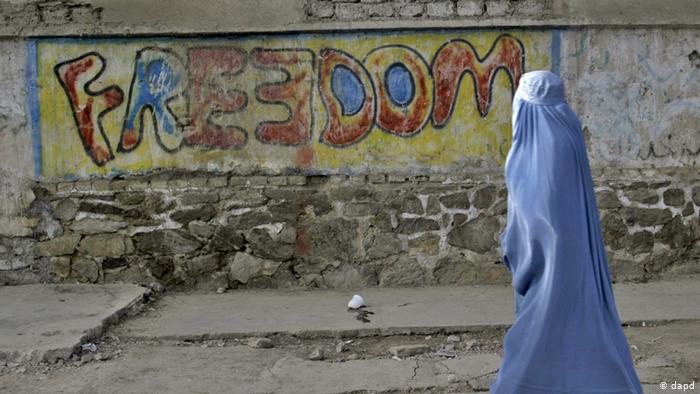

KABUL, AFGHANISTAN – Representatives of 40 countries at the United Nations have condemned the Taliban’s “ongoing and systematic repression” of women and girls in Afghanistan, urging the group to reverse restrictive measures.
In a joint statement, delegates from countries including the United Kingdom, Japan, Germany, Canada, and Australia said the human rights situation in Afghanistan has reached an increasingly critical level requiring urgent international attention.
The statement highlighted the Taliban’s newly adopted penal code, saying it institutionalizes discrimination against women and girls by transforming previously imposed restrictions into binding legal provisions.
“This code weakens protections against gender-based violence, including provisions allowing husbands to physically punish their wives and children, while severe acts of violence may result in minimal imprisonment,” the statement said. “This reinforces impunity and undermines access to justice and protection mechanisms, constituting clear violations of Afghanistan’s obligations under international human rights law.”
The countries also condemned the continued exclusion of women and girls from public life, including restrictions on education, healthcare, employment, freedom of movement, and participation in society. They expressed concern over shrinking civic and media spaces, noting that activists, journalists, and civil society members face increasing risks of reprisals and detention.
They called on the Taliban to immediately lift all restrictions on women and girls, restore access to education and employment, end reprisals, and respect Afghanistan’s international obligations, including the Convention on the Elimination of All Forms of Discrimination against Women (CEDAW). They also urged the Taliban to allow female UN staff to return to their workplaces.
The diplomats welcomed the UN Human Rights Council’s decision to establish an independent mechanism to document human rights violations in Afghanistan and acknowledged the ongoing work of the International Criminal Court. Delegates expressed strong support for the continued UN presence in Afghanistan, including the renewal of UNAMA, whose mandate is set to expire later this month.
“The rights of Afghan women and girls, their dignity, and their full, equal, meaningful, and safe participation remain indispensable to peace, stability, and prosperity in Afghanistan,” the statement concluded.
Since returning to power, the Taliban have imposed sweeping restrictions on women’s freedoms, barred them from education and most employment, limited their presence in public life, and dismantled institutions designed to protect women’s rights. UN experts and international rights groups have described the Taliban’s policies as amounting to “gender apartheid” and potential crimes against humanity.

