

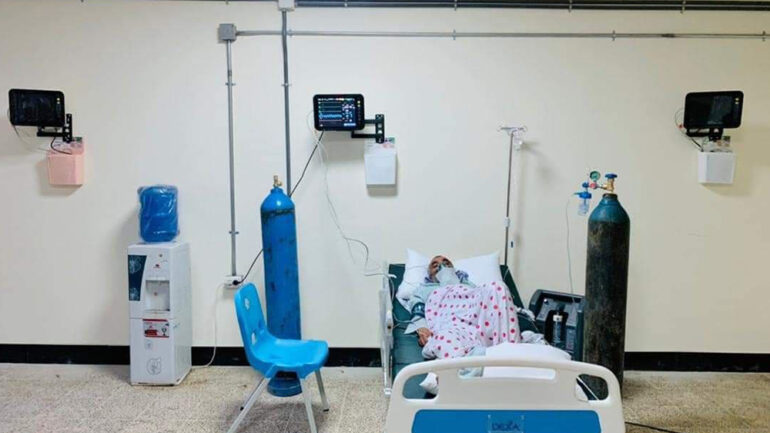

KABUL, AFGHANISTAN – Acute respiratory infections (ARI) killed 352 people in Afghanistan in December, the World Health Organization (WHO) reports, as cases surged amid a strained healthcare system and ongoing humanitarian challenges.
In its monthly update for December 2025, released on Tuesday, the WHO said a total of 183,302 ARI cases were recorded during the month, representing a 24.6% increase compared with November, when 147,138 cases and 248 deaths were reported.
The report noted declines in other infectious diseases. Measles cases fell to 2,095, causing 10 deaths, a 1.5% decrease from the previous month. Malaria cases dropped to 1,228 with no deaths, down 74.4%, while dengue fever cases fell to 340 from 2,357 in November, an 85.6% decline, also with no fatalities.
The UN agency distributed 116 emergency medical kits to nine health facilities in eight provinces, expected to benefit about 86,550 people over the next three months. In December, WHO partners provided humanitarian health services to 481,750 people through 891 facilities in 316 districts across all 34 provinces. Of those reached, 32% were women and 52% were children.
The report highlighted the significant impact of funding shortfalls on Afghanistan’s healthcare system. As of December, 445 health facilities had been suspended or closed due to budget constraints, affecting over 3 million people in 30 provinces. Reduced aid has limited the WHO’s ability to deliver essential care.
Afghanistan’s healthcare system remains under severe strain due to decades of conflict, widespread poverty, fragile infrastructure, and economic collapse. Restrictive policies by the Taliban authorities, including bans on women working for NGOs, have further limited health and nutrition service delivery and reduced female participation in the sector.
Meanwhile, the need for urgent healthcare assistance remains widespread. The UN estimates about 14.4 million people will require health aid this year, with $190.8 million requested to reach half of them.

