


KABUL, AFGHANISTAN – The Taliban have recently signed and enforced a new “Criminal Procedure Code for Taliban Courts,” formally approved by the group’s leadership. The document sets out the framework for criminal proceedings under Taliban-controlled courts and effectively replaces Afghanistan’s previous criminal justice system.
According to available information, the code is based on rigid and traditional interpretations and grants extensive authority to Taliban courts. Critics argue that it undermines fundamental legal principles, including equality before the law, due process, and basic rights for women, children, and minorities. Observers warn that the code institutionalizes a hierarchical and discriminatory legal structure rather than delivering justice.
In response, the Coordination Council of the Diplomatic and Consular Missions of the Islamic Republic of Afghanistan issued a strong statement expressing deep concern over the newly enforced code. The Council described it as a serious regression from Afghanistan’s established legal framework and its international human rights obligations.
The statement noted that the Taliban’s criminal procedure code violates internationally recognized human rights standards, institutionalizes gender-based discrimination, and criminalizes peaceful expression, dissent, and assembly. It further warned that the code enables arbitrary detention and punishment without due process, while eroding protections for children, minorities, and other vulnerable groups.
The Council also emphasized that the code places a clerical hierarchy above the law, granting de facto immunity to loyal members of the Taliban while suppressing political competition and dissent. According to the statement, the code restructures power rather than regulating conduct, transforming criminal law into status-based law, where loyalty determines protection and dissent invites punishment.
Calling the framework legally indefensible and socially corrosive, the Council urged the United Nations, the Organization of Islamic Cooperation (OIC), international partners, and human rights institutions to closely monitor developments in Afghanistan and to support stronger accountability mechanisms. It also reaffirmed that Afghanistan’s future must be built on popular sovereignty, equal rights for all citizens, inclusive governance, and a legal system aligned with international human rights standards.
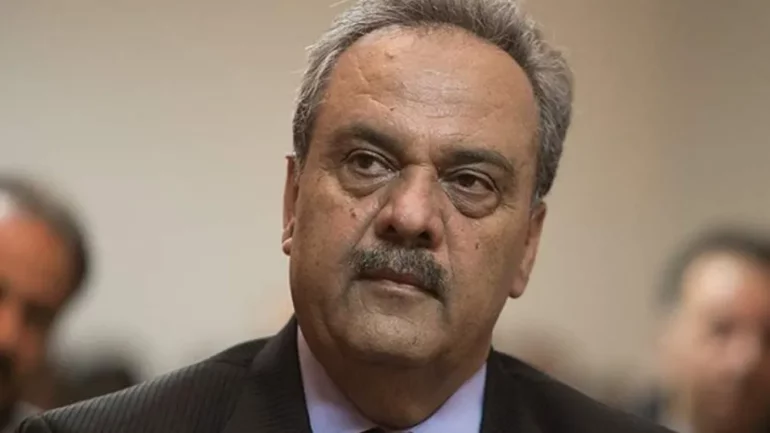
Meanwhile, Mohammad Asif, former Special Representative of Pakistan for Afghanistan, also criticized the Taliban’s criminal procedure code, warning that it would push Afghan society into a “dark age.”
In a post on the social media platform X, Asif wrote that “It is unbelievable that Ulema (religious scholars) are free from prosecution, or the law cannot touch the elite, or there will be “slaves” liable to be punished in society.”
He further described it as shocking that under the new code, girls as young as nine years old are considered women and deemed eligible for marriage. Asif noted that while child marriage has existed in Afghanistan for centuries, it has traditionally been driven by poverty and entrenched social practices.
“Traditionally, a girl born into a family is considered a cash cow, as the father or brothers of the girl receive money (called Walwar) when they give her away in marriage.” he wrote. Asif added that the Taliban reflect these deeply rooted realities, and it remains unclear how Afghan society will ultimately respond to the group’s directives.
The Taliban leader has recently ratified the criminal procedure code, declaring it fully enforceable, a move that has sparked widespread domestic and international criticism.

