

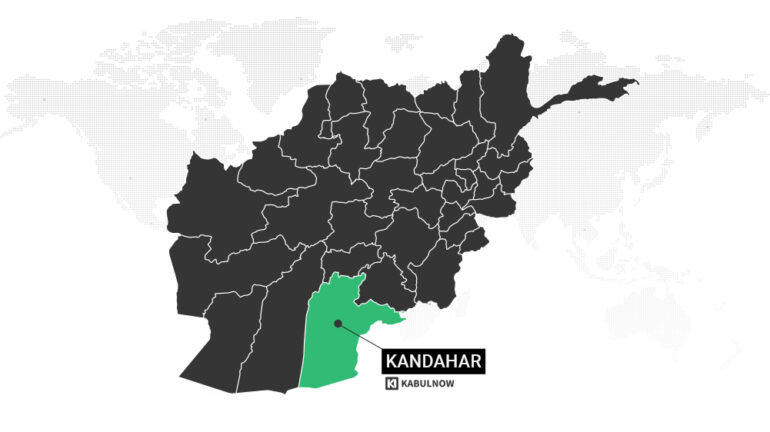

KABUL, AFGHANISTAN – A woman in Kandahar province in southern Afghanistan reportedly killed her ex-husband with a pistol, local sources said.
According to the sources, the incident took place yesterday (Saturday, June 27) in the second police district of Kandahar city.
A local source said that the woman accused of murder has been arrested by the Taliban and, during initial investigations, stated that her husband had divorced her several years ago but continued to harass her.
According to the information, the woman is originally from the city of Tarinkot in Uruzgan, while her ex-husband was a resident of the Hazarabad area of Helmand.
This comes at a time when most women in Afghanistan are victims of domestic violence.
Afghanistan has long struggled with widespread domestic abuse, which rights groups say has worsened since the Taliban returned to power in 2021. Restrictions on women’s rights, the closure of women’s shelters, and the dismantling of judicial and institutional safeguards have left women and girls increasingly vulnerable to violence.
All women’s protection centers that operated under the previous government have been closed, and access to legal recourse for victims has been limited, further reducing support for women and girls experiencing abuse.
Between January 2022 and June 2024, Afghan Witness, a human rights monitoring initiative, documented at least 840 cases of violence against women and girls, including 332 killings. Experts warn the real figure is likely far higher, as many incidents remain unreported due to stigma and fear of retaliation.
In many parts of Afghanistan, cases of domestic violence remain underreported due to fear, social stigma, and lack of institutional support. Human rights organizations have repeatedly expressed concern over the absence of independent mechanisms for protecting women and handling such cases, especially since the dissolution of specialized support structures, which has further increased vulnerability for women facing abuse.
Since the Taliban took power in August 2021, they have imposed a series of restrictions on women and girls, including banning secondary and university education for females, restricting most employment, barring access to public spaces such as parks and gyms, and limiting travel without a male guardian.
The United Nations and human rights groups have repeatedly condemned the measures, describing them as systematic discrimination and a form of gender apartheid. Despite growing international calls, including appeals from Muslim-majority countries, the restrictions remain in place, severely limiting women’s access to education, work and public life.

