

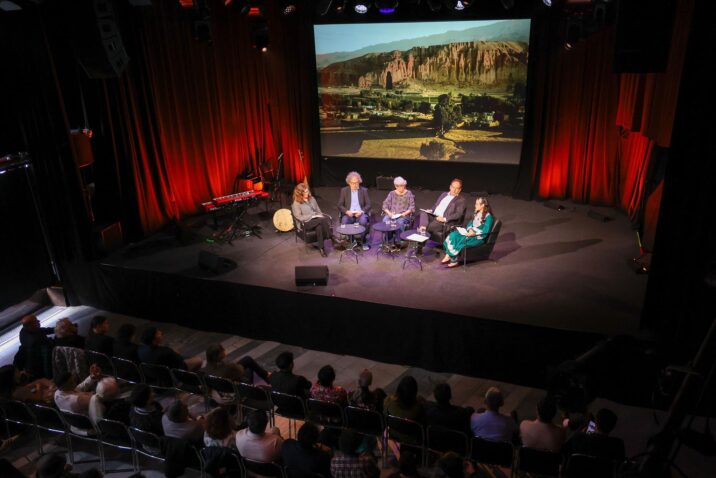
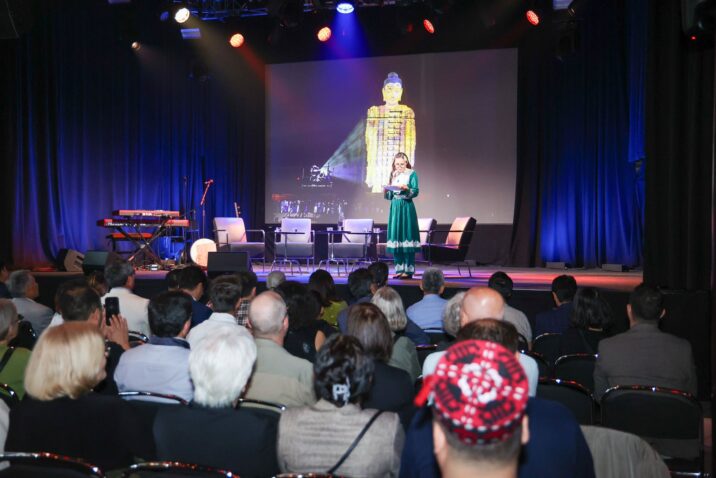


KABUL, AFGHANISTAN – The 14th edition of the cultural program “A Night with Buddha” was held on Friday at the Stockholm House of Culture and Theatre, marking 24 years since the Taliban destroyed the ancient Buddha statues in Afghanistan’s Bamiyan province.
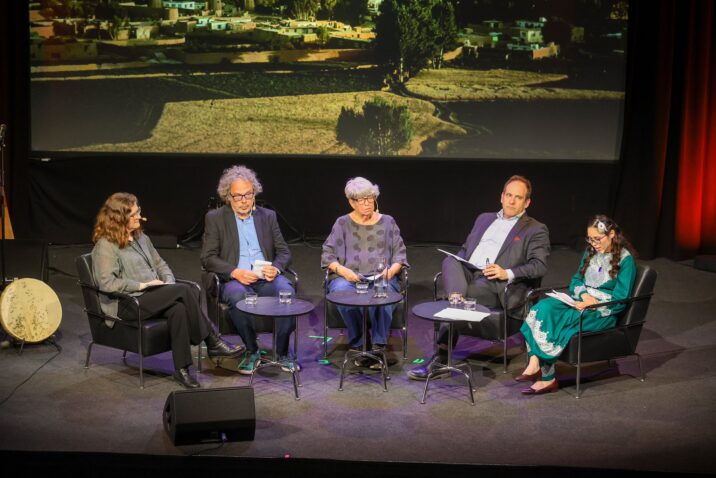
This year’s event, titled “The Destruction of Cultural Heritage in Times of War: Vandalism, War Crime, or Genocide?”, brought together academics, cultural activists, and artists to discuss the protection of heritage in conflict zones and the legal classification of its destruction.
The program included panel discussions and musical performances and was attended by members of the Afghan diaspora, researchers, and cultural advocates.
The Buddhas of Bamiyan, two colossal figures carved into sandstone cliffs in central Afghanistan’s Bamiyan valley, were created more than 1,500 years ago as part of the region’s Buddhist cultural landscape along the Silk Road.
Standing 55 and 38 metres tall, they were among the world’s most significant examples of pre-Islamic art in the region. In March 2001, the Taliban destroyed the statues using explosives after declaring them idolatrous, despite global appeals from UNESCO and other international bodies.
The destruction of the Buddhas remains one of the most widely cited cases of deliberate cultural heritage destruction in modern conflict history and has continued to shape debates on cultural protection under international law.
Zahra Hussaini, one of the event’s organizers and a cultural activist from Afghanistan living in Sweden, said the program was first launched 14 years ago in Bamiyan and has since developed into an international platform focused on Afghanistan’s cultural memory, historical preservation, and accountability for the destruction of the statues.
She said the original gatherings were held in front of the empty niches in Bamiyan where the Buddhas once stood, turning the site itself into a space of remembrance. Following the Taliban’s return to power in 2021, the program has been held annually in exile, primarily in Sweden.
“With cultural spaces collapsing inside the country, the importance of intangible heritage such as poetry, music and traditions has doubled in exile,” Hosseini said. “This gathering in Stockholm continues that effort of cultural continuity and remembrance.”
At the event, Mark Klamberg, professor of international law at Stockholm University, examined legal frameworks surrounding cultural heritage destruction. He said international law does not classify cultural destruction as genocide under the 1948 Genocide Convention, which is limited in scope, but such acts may still fall under war crimes provisions of the Rome Statute of the International Criminal Court.
He said this legal gap continues to challenge efforts to fully address accountability for the destruction of cultural heritage during both war and internal conflict.
Another speaker, Isa Blumi, a researcher and lecturer, drew on post-conflict experiences in Kosovo to criticize what he described as the “colonial” approach of international institutions toward cultural heritage in conflict-affected countries.
“When the Taliban destroyed the Buddhas, the West mourned the loss of world history,” Blumi said. “But when Afghans demand the right to manage their own heritage, they often face resistance.”
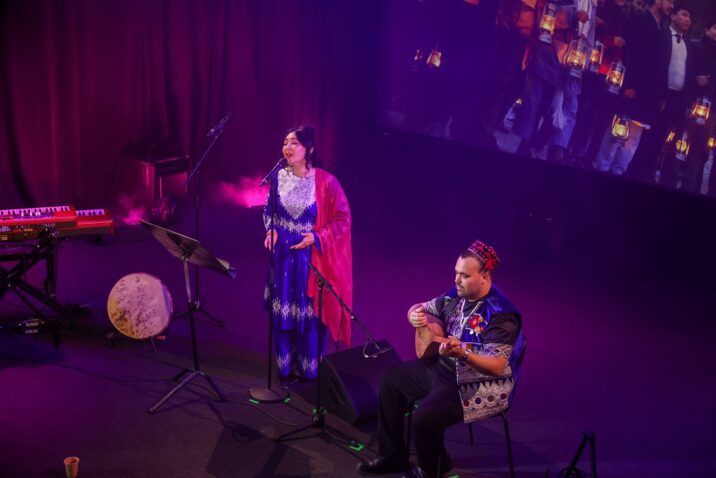
The second part of the program, titled “Songs for Survival,” featured musical performances that highlighted cultural resilience through art. Singer Elaha Soroor, from Afghanistan, performed alongside Swedish and Ukrainian musicians, presenting individual pieces before concluding with a collaborative performance dedicated to “A Night with Buddha.”
The “A Night with Buddha” initiative continues to serve as a recurring platform for cultural dialogue, remembrance, and advocacy among Afghan communities abroad, reflecting ongoing debates on heritage preservation, identity, and historical accountability following decades of conflict in Afghanistan.

