


KABUL, AFGHANISTAN – The European Union has announced €175,000 in emergency humanitarian funding to support thousands of people affected by recent flooding across multiple provinces in Afghanistan.
In a statement on Thursday, the EU delegation in Afghanistan said the assistance will reach around 12,000 vulnerable people in the provinces of Badghis, Farah, Ghor, Helmand, Herat, Kandahar, Logar, and Uruzgan, where heavy rains and flash floods have caused widespread damage in recent weeks.
The funding will be delivered through the Afghan Red Crescent Society, which is expected to provide cash assistance for immediate needs and distribute emergency shelter supplies, including tents, blankets, and other essential household items.
The support package also includes hygiene kits, access to safe drinking water, and basic primary health care services, the EU said, adding that the aim is to address both immediate survival needs and early recovery requirements in affected communities.
The EU said the funding is part of its broader contribution to the Disaster Response Emergency Fund (DREF), managed by the International Federation of Red Cross and Red Crescent Societies, which enables rapid humanitarian response in emergencies.
The bloc added that it has already allocated more than €162 million in humanitarian assistance to Afghanistan this year through its partners. Earlier in the year, it also released €250,000 to support Afghan Red Crescent operations for communities displaced by conflict.
The EU further noted that it has supported nearly 50 humanitarian airlifts in recent years, including three flights this year that delivered around 270 tons of nutrition supplies.
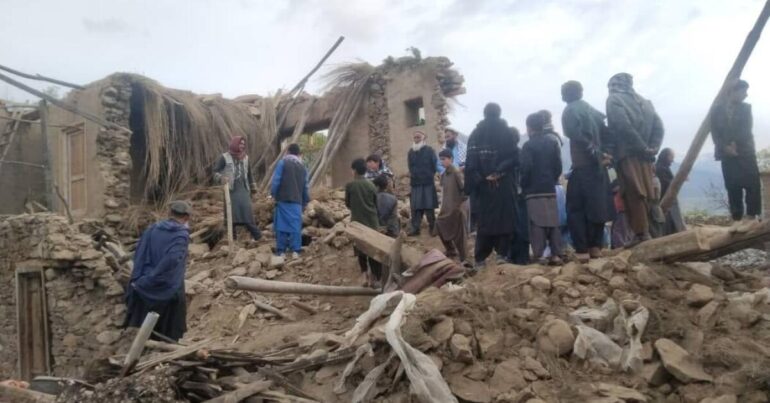
The funding comes as Afghanistan continues to grapple with the impact of heavy rainfall and, in some regions, snowfall in recent weeks. The severe weather has triggered flash floods, landslides, and storms that have destroyed homes, damaged farmland, and disrupted livelihoods across multiple provinces.
Taliban authorities say at least 214 people have been killed, around 300 injured, and more than 70,000 affected nationwide. More than 7,000 homes have been partially or completely destroyed, forcing thousands of families to leave their homes.
The disaster has deepened an already severe humanitarian crisis in the country. United Nations agencies estimate that nearly 22 million people require assistance, while more than 17 million face acute food insecurity. Women and children are among the most vulnerable, with limited access to health care, education, and livelihoods, further compounding the crisis.

