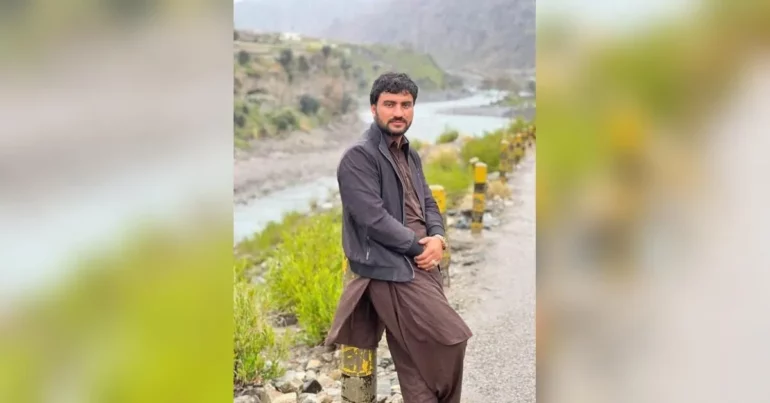

KABUL, AFGHANISTAN – Local sources in Kunar have reported the suicide of a young man in the Narang district of the province.
According to the sources, the young man was named Ikramullah, and this morning (Tuesday, April 7), he ended his life at home by shooting himself.
Based on reports, the young man had gotten married last Thursday.
Sources have cited domestic violence as the cause of his suicide, but they have not specified what kind of violence he had faced.
Local Taliban officials in Kunar have not yet commented on the incident.
Since the Taliban’s return to power in Afghanistan, cases of suicide have increased in various provinces of the country.
Hopelessness about the future, economic problems, domestic violence, and mental health issues are considered among the main causes of suicide.
Similarly, six days ago, local sources in Nangarhar reported that a young man died in a shooting incident in the Shinwar district.
Sources suggested that family disputes had caused the incident.
The incident highlights growing concerns over mental health and social pressures in Afghanistan, where ongoing economic hardship, limited access to psychological support, and prolonged instability continue to affect vulnerable individuals across the country.
Afghanistan has seen a surge in violent crimes in recent years, including abductions, armed robberies, targeted killings, and mysterious deaths. The Taliban, who regained power in 2021 and claim to have restored nationwide security, face criticism from citizens, rights groups, and activists over civilian protection and transparency in crime investigations.
Human rights organizations have repeatedly warned that weakened institutional oversight and restrictions on civil society have reduced avenues for mediation and protection in cases of domestic abuse. In rural and conflict-affected areas, disputes are often handled informally, sometimes escalating into violence.
In its annual 2025 report released this week, the UK-based rights group Rawadari documented 611 cases of targeted, suspicious, or extrajudicial incidents involving deaths or injuries. The victims included former government employees, individuals accused of links to opposition groups, protesters, tribal elders, and community figures.