

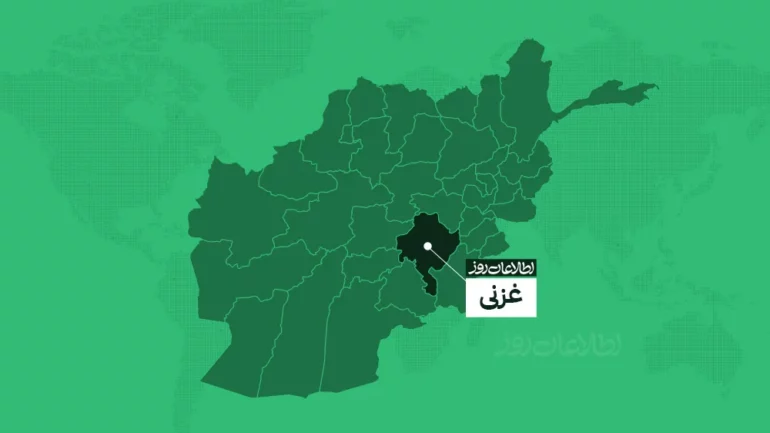

KABUL, AFGHANISTAN – The Taliban’s security command in Ghazni Province says that a landmine explosion in the Khogyani District of this province killed two children and injured two others.
In a statement, the command said that the explosion occurred yesterday (Friday, March 27) in the village of “Ali Khan Khil” in Khogyani District.
The Taliban security command added that the injured children were transferred to the provincial hospital in Ghazni for treatment.
The command did not provide the exact cause of the explosion but attributed it to the children’s carelessness.
Explosions of leftover ammunition and landmines from past wars have repeatedly claimed the lives of civilians, especially children, in various provinces of Afghanistan.
Several decades of war have left parts of Afghanistan contaminated with landmines and explosive materials.
The United Nations has warned that Afghanistan remains one of the countries most affected by landmines and explosive remnants of war, which continue to pose a deadly threat to civilians, particularly children. Tens of thousands of Afghans have been killed or injured over the past decades due to these hazards.
Afghanistan’s disaster management authority, currently under Taliban control, says that at least 87 people have been killed and 33 injured by mines and explosive materials over the past year, with children making up the majority of victims.
UNAMA emphasized that mine clearance is dangerous, costly, and slow, and highlighted the need for education to prevent accidents and rehabilitation for survivors. The UN called on the international community to increase support for demining and awareness campaigns, noting that approximately two-thirds of Afghanistan’s districts are affected and 3.3 million people live within one kilometer of explosive hazards.
Human rights groups and international organizations have repeatedly warned that without large-scale clearance operations and public awareness campaigns, civilians—especially children—will continue to pay the price for Afghanistan’s long-running conflicts.
For 2025, the UN appealed for $21.9 million to fund mine surveys, explosive ordnance disposal, clearance operations, and risk education programs across Afghanistan. However, securing this funding remained largely uncertain due to recent significant changes in global foreign policy, including cuts in humanitarian funding.

