

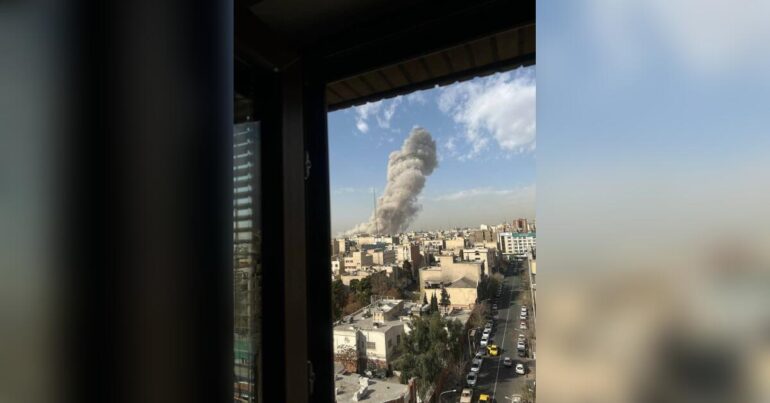

KABUL, AFGHANISTAN — Large-scale strikes by the United States and Israel on Iran, followed by Iranian missile and drone attacks on Israeli cities and US bases in the region, have triggered deep concern among Afghans with family, work, and economic ties across the border.
The attacks began on Saturday morning, February 28, and quickly escalated, turning into a wider regional crisis. International reactions came swiftly, with several countries calling for an immediate halt to military action and a return to diplomacy.
China urged de-escalation and renewed dialogue, warning that further escalation could damage regional peace and stability. It also stressed respect for Iran’s sovereignty, security, and territorial integrity.
Early reports also claimed that senior Iranian military officials, including the defense minister and the commander of the Islamic Revolutionary Guard Corps, were killed in the opening strikes. Full confirmation remained unclear in the first hours of the crisis, although Iran’s foreign minister said one or two commanders had been killed.
Iranian media also reported that a girls’ school in Hormozgan province was hit, with heavy casualties among students. Casualty figures varied across reports during the day, ranging from dozens killed and wounded to higher death toll claims later, in a situation where independent verification remained difficult.
The escalation is being watched closely in Afghanistan, where millions of people have longstanding social and economic links with Iran. Many Afghan families depend on remittances, cross-border movement, and trade routes connected to Iran. A prolonged conflict could quickly affect household incomes, transport routes, and the safety of Afghan migrants living there.
Regional and international diplomatic responses reflected broad alarm. Oman warned that serious diplomatic efforts had again been undermined and cautioned against deeper US involvement while mediation efforts were still underway. Russia condemned the attacks and called for political and diplomatic solutions. France warned of serious consequences for international peace and security and called for an urgent UN Security Council meeting. Pakistan also condemned the strikes and called for an immediate halt to escalation.
In its first official response, Iran said it would use all available means to confront what it described as aggression. Tehran said the strikes violated its sovereignty and the UN Charter and argued that they took place while diplomatic contacts with the United States were still active.
For many Afghans, the concern is immediate and practical. The war could bring new pressure on borders, trade, prices, and migrant communities already living under uncertainty.

