

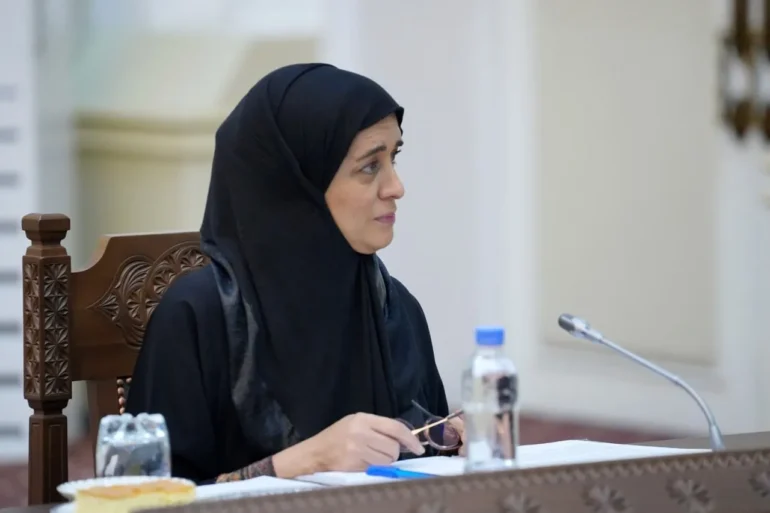

KABUL, AFGHANISTAN – Dr. Hanan Balkhy, Regional Director for the Eastern Mediterranean at the World Health Organization (WHO), said during a meeting with Abdul Salam Hanafi, the Taliban’s Deputy Prime Minister for Administrative Affairs, that “if coordination for polio eradication is further strengthened, it is anticipated that the poliovirus could be completely eradicated from Afghanistan within the next 12 months.”
According to a statement from the Taliban’s Office of the Prime Minister, the meeting took place yesterday (Sunday, July 5). Dr. Balkhy said, “We have made good progress in polio eradication, but further attention is still needed.”
The statement also said that the WHO official stated that the security provided by the Taliban has enabled polio vaccination campaigns to be implemented effectively in Afghanistan. Before returning to power, the Taliban had prevented polio vaccination campaigns in some parts of the country, including southern and eastern regions.
Meanwhile, according to World Health Organization figures, six human cases and 34 environmental detections of poliovirus have been recorded in Afghanistan so far this year.
In 2025, Afghanistan recorded a total of 21 confirmed human polio cases and 94 environmental detections of the virus.
At present, Afghanistan and Pakistan are the only two countries in the world where polio has not yet been eradicated.
According to World Health Organization data, Pakistan has also recorded three confirmed human polio cases and 90 environmental detections so far this year.
Polio is a highly infectious viral disease that mainly affects children under five. It spreads through contaminated food, water or close contact and can cause permanent paralysis or death.
There is no cure for polio, but safe and effective vaccines can prevent it. Global eradication efforts have reduced wild poliovirus cases by more than 99% since 1988, but transmission has persisted in Afghanistan and Pakistan.
Vaccination drives in both countries continue to face significant obstacles. Security issues, difficult terrain, and community resistance driven by misinformation, including unfounded claims that the vaccine causes infertility or serves espionage purposes, have hampered coverage in some areas.
The WHO has repeatedly emphasized that achieving and sustaining high vaccination coverage, maintaining uninterrupted immunization campaigns, and ensuring access to all children remain essential to eliminating polio in Afghanistan and Pakistan, the world’s last two polio-endemic countries.

