

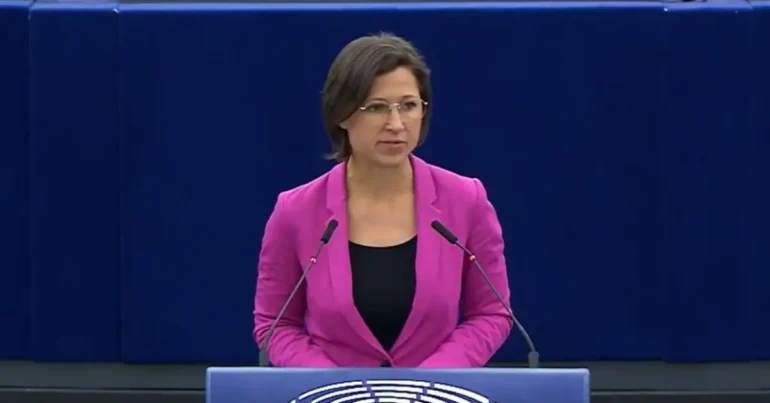

KABUL, AFGHANISTAN – Hannah Neumann, a member of the European Parliament, has criticized the European Commission’s meeting with a Taliban delegation in Brussels, saying there is “no such thing as technical engagement” with the group and describing the talks as political normalization without accountability.
In a post on X on Tuesday, Neumann said the meeting between European Commission officials and the Taliban “should never have happened.”
“There is no such thing as technical engagement with the Taliban. It is political normalization without accountability,” she wrote.
Neumann called on the European Commission to clarify its policy on deportations to Afghanistan, asking who is being returned, how Afghans living in Europe will be protected from transnational repression, and what the Taliban expect in return for cooperating.
According to Neumann, the Commission insists that the discussions are limited to the deportation of “convicted terrorists, murderers and rapists,” but she argued that the facts suggest otherwise.
She pointed to reports from Germany indicating that authorities are preparing to deport some Afghan nationals who have no criminal convictions.
Neumann also highlighted what she described as another contradiction, saying that while the European Commission has characterized the Brussels meeting as purely technical, the Taliban have publicly stated that restoring consular services in European countries was part of the discussions.
Earlier this month, the European Commission hosted a five-member Taliban delegation in Brussels. The Commission said the talks focused on technical issues related to the return of Afghan nationals convicted of crimes from European Union member states to Afghanistan. However, the Taliban said that the reactivation of consular services in Europe was also discussed during the meeting.
The meeting marked the first time the EU has hosted a Taliban delegation since the group seized power in Afghanistan in August 2021. It sparked strong backlash from critics, who argue that any formal contact with the Taliban risks legitimizing the group, which has been accused of widespread human rights abuses, particularly against women and girls.
Richard Bennett, the UN Special Rapporteur on human rights in Afghanistan, had warned ahead of the meeting that inviting Taliban representatives would “insult the people of Afghanistan, especially women,” citing restrictions on women’s rights, education, and public life.
Since returning to power in 2021, the Taliban have imposed sweeping restrictions on women and girls, including bans on secondary and higher education and limits on employment and public life. Human rights groups and UN experts have described the measures as amounting to “gender apartheid.”

