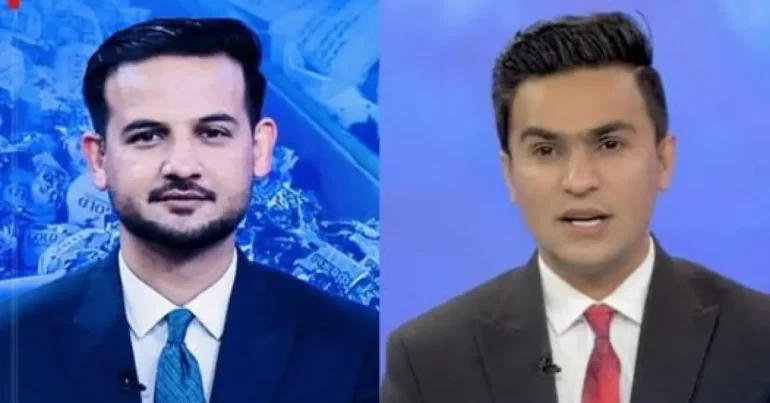

KABUL, AFGHANISTAN – Private broadcaster Tolo News says the Taliban have arrested its journalists, Omran Danish and Mansoor Niazi, in Kabul.
The outlet reported today (Sunday, May 10), citing Taliban officials, that details of the arrest of the two journalists will be shared after the “completion of legal procedures.”
Tolo News did not specify when the two journalists were arrested or the reason for their detention.
However, the group had allowed journalists from some media outlets, including Tolo News, to continue working and producing reports.
The detention of the two journalists has raised fresh concerns about press freedom and the safety of media workers in Afghanistan, where restrictions on independent reporting have increased since the Taliban’s return to power.
Since regaining control of Afghanistan, the Taliban have repeatedly arrested and imprisoned journalists and media workers. Taliban Authorities have issued more than 20 directives regulating media activity, content approval, and access to information. These measures have contributed to the near-collapse of what was once a vibrant media sector, with dozens of outlets shut down or silenced and hundreds of journalists forced into exile or hiding.
Afghanistan ranked 175th out of 180 countries in Reporters Without Borders’ 2026 World Press Freedom Index, placing it among the worst globally.
Meanwhile, The Afghanistan Journalists Center (AFJC) says it documented at least 150 violations of press freedom and incidents of violence against journalists in Taliban-ruled Afghanistan since May 2025, including 127 threats and 20 arrests of media workers.
In a statement marking World Press Freedom Day, the exiled Afghan media watchdog said these figures indicate intensified repression and censorship and reflect a further deterioration of press freedom conditions in the country.
The report stated that nearly all incidents were carried out by the Taliban, except for the deaths of two national radio and television employees and the injury of another person in airstrikes attributed to Pakistan.
The AFJC also reported that a ban on broadcasting images of living beings has expanded to 25 of Afghanistan’s 34 provinces, leading to the shutdown of at least eight local television stations and forcing others to significantly adjust their programming.
These findings come amid continuing reports of press restrictions in Afghanistan, including the recent arrest of two Tolo News journalists by the Taliban, which has further raised concerns about the safety of journalists and the shrinking space for independent media in the country.
The protection of journalists and the preservation of access to truthful information are not only essential for safeguarding human rights but also for ensuring peace, accountability, and the functioning of any just society.