

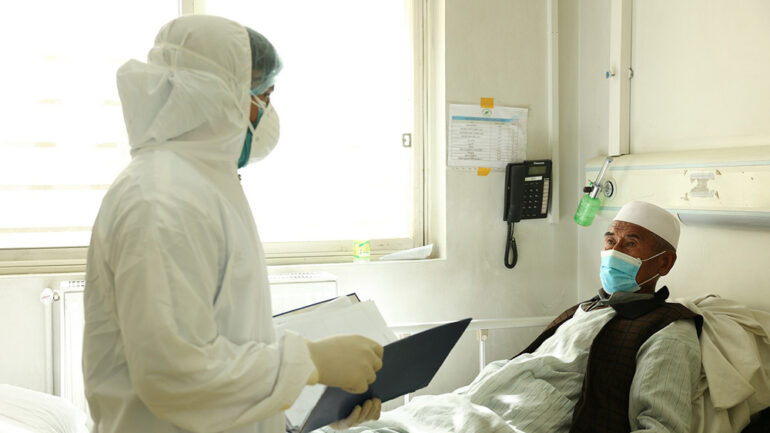

KABUL, AFGHANISTAN – Tuberculosis (TB) continues to pose a serious public health challenge in Afghanistan, with thousands affected annually and many cases going undetected, the World Health Organization (WHO) warned on Tuesday.
In a statement marking World Tuberculosis Day on March 24, Dr. Edwin Ceniza Salvador, WHO representative in Afghanistan, called for stronger collective action to expand early diagnosis, improve access to treatment, and ensure no one is left behind.
“Ending TB is not just aspirational, it is achievable,” Dr. Salvador said.
Tuberculosis is an airborne infectious disease caused by bacteria that spread primarily when people with active TB in their lungs cough, sneeze, or speak. The WHO advises individuals to cover their mouth and nose when coughing or sneezing to reduce transmission risk. The disease is both preventable and curable with timely diagnosis and appropriate treatment.
According to WHO data, Afghanistan recorded more than 50,000 TB cases in 2024, a 3.3% increase from the previous year, despite having over 875 centers providing free diagnosis and treatment. The agency has stressed that defeating TB requires sustained investment in prevention and treatment programs, collaboration between public and private sectors, and engagement with communities most at risk.
The warning comes as the country’s healthcare system faces mounting challenges, including shortages of trained medical staff and limited access to quality medicines. International aid has sharply declined since the Taliban returned to power in August 2021, further straining the health system.
Restrictions imposed by the Taliban on women, including bans on female education and employment in the health sector, have worsened the situation, reducing the number of female healthcare professionals who play a crucial role in providing services to women and children.
World Tuberculosis Day 2026 carries the global theme “Yes! We can end TB!”, highlighting that with political will, adequate resources, and inclusive strategies, progress against the disease is possible even under challenging conditions.

