
KABUL, AFGHANISTAN – The United Nations has once again called on the Taliban to lift the ban preventing Afghan women from working in UN offices across Afghanistan.
In a statement released on Saturday (March 7), UN Women urged the Taliban to reverse the restrictions ahead of International Women’s Day.
The agency said six months have now passed since Afghan female staff were barred from entering UN offices in the country.
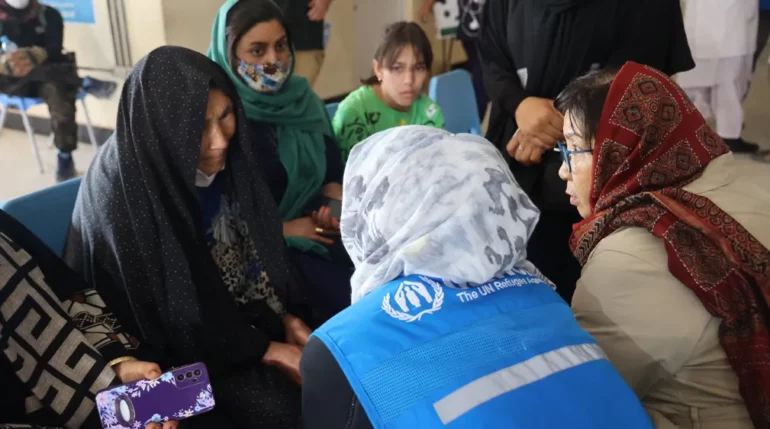
Susan Ferguson, head of UN Women in Afghanistan, said the United Nations and its partners cannot safely reach women and girls or deliver culturally appropriate assistance without the full and unhindered participation of Afghan women in humanitarian work.
She stressed that assistance to women must be delivered by women and to women.
Ferguson added that UN agencies, funds and program have been making regular operational adjustments in order to maintain essential and principled activities.
However, she warned that the longer restrictions on local female staff continue, the greater the risk to life-saving services across Afghanistan.
The Taliban imposed the ban on Afghan female staff working in UN offices in early September 2025.
Afghanistan’s human rights crisis has intensified under Taliban rule. Over the past four years, the group has imposed sweeping restrictions on women and girls, while ethnic and religious minorities continue to experience violations.
Human rights organizations, including Amnesty International and HRW, along with Afghan civil society groups and activists, have repeatedly pushed for an international accountability mechanism. They argue it should be mandated to investigate violations, collect and preserve evidence, and lay the groundwork for potential prosecutions of serious crimes.
Gender-based violence remains a serious concern. While authorities claim to have resolved hundreds of women’s rights-related cases, UNAMA documented numerous incidents of forced marriage, including cases involving girls under 18. In one reported incident, a girl was detained by police on the order of a court after refusing a forced marriage and remains in detention, in violation of existing decrees prohibiting such practices.
UNAMA warns that the cumulative impact of these measures reflects an entrenched pattern of gender-based discrimination and serious human rights violations. The mission emphasizes that Afghan women and girls are being systematically denied education, work, healthcare, freedom of movement, and protection from violence, raising grave concerns about Afghanistan’s compliance with international human rights obligations.