


KABUL, AFGHANISTAN – Japan has provided an additional $4.4 million for urgent, life-saving assistance to communities in Afghanistan affected by emergencies, including natural disasters and displacement, the UN Children’s Fund (UNICEF) said on Thursday.
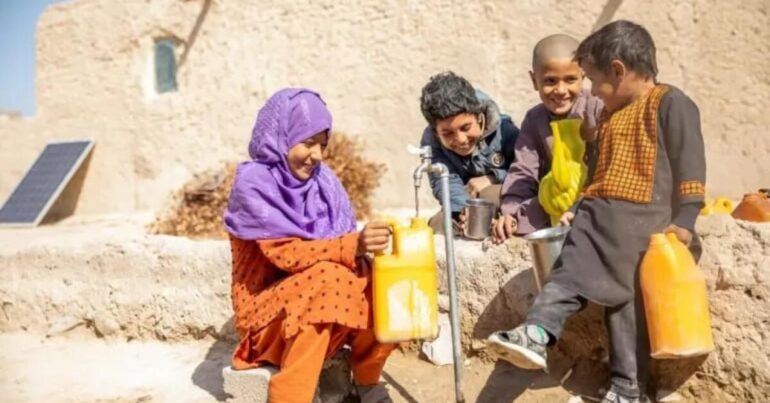
In a statement, UNICEF said the funding will enable it to reach more than 60,000 people, mostly children, with critical services including water, sanitation, hygiene, and child protection.
Humanitarian needs in Afghanistan have intensified with over 2.8 million people returning from neighboring countries in 2025, more than 60% of them women and children, according to UNICEF.
Drought, water shortages, and disease outbreaks have been widely reported among returning populations, while children continue to face risks such as explosive ordnance contamination, gender-based violence, child labour, and early marriage.
“Japan stands with the people of Afghanistan, particularly children and women who face the compounding challenges of mass displacement, natural disasters, and climate shocks,” said Kenichi Masamoto, Japan’s ambassador to Afghanistan, according to the statement.
UNICEF’s Afghanistan representative, Tajudeen Oyewale, said the partnership with Japan is based on shared values and a long-term approach, adding that joint efforts have strengthened systems that protect lives and support community resilience.
Japan has been among the largest donors to Afghanistan since the Taliban returned to power in August 2021, with assistance largely delivered through UN agencies and focused on health, education, livelihoods, and agriculture.
Earlier this week, Japan provided $6.08 million to support livelihoods and vulnerable families across the country. In recent weeks, it also contributed $6.3 million to UNICEF for polio eradication and routine immunization, and signed a $10 million agreement through the Japan International Cooperation Agency with UN Office for Project Services to strengthen climate resilience and disaster preparedness.
Afghanistan continues to rely heavily on humanitarian aid, with nearly half its population in need amid declining international funding. Aid agencies have warned that shortfalls could severely impact life-saving operations.

