

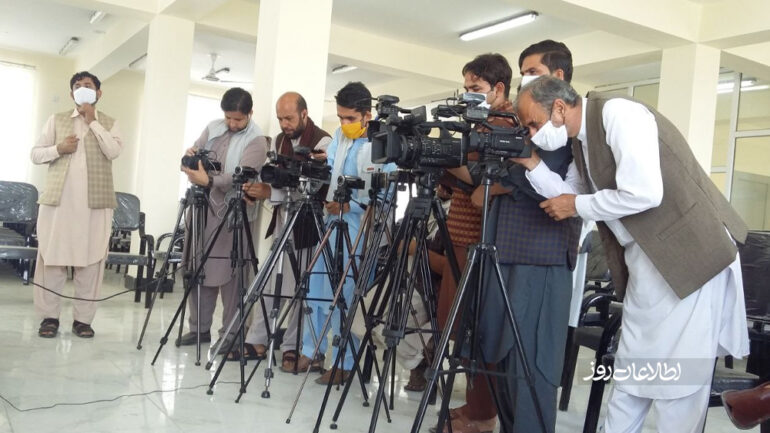

KABUL, AFGHANISTAN – At least 205 cases of violence and violations of media freedom were recorded in Afghanistan in 2025, a rise of nearly 13% from the previous year, the Afghanistan Journalists Center (AFJC) said in its annual report released on Saturday.
The report said the incidents included two journalist fatalities, three injuries, 166 threats, and 34 arrests. At least five journalists are currently serving prison terms in Taliban-controlled facilities.
The AFJC described Afghanistan’s media environment as highly constrained and repressive throughout 2025. The report, compiled from data across multiple provinces and verified incident reviews, highlights intensified censorship and suppression affecting journalists and media outlets nationwide.
The watchdog highlighted measures by Taliban authorities that have increased pressure on journalists, including the forced broadcast of confessions from imprisoned journalists, restrictions on female journalists attending press conferences of senior officials, and censorship of women’s voices during live news coverage.
“These measures exemplify a climate of fear, authoritarianism, and severe gender-based discrimination that is unprecedented in the country’s recent history,” the report said.
The AFJC pointed to the expansion of bans on publishing images of living beings as a major threat. Initially introduced in 2024 under the Law on Promotion of Virtue and Prevention of Vice, the restriction is now enforced in 23 provinces. The watchdog said it has resulted in the closure of at least 20 television stations.
In addition, two television channels and two radio stations were shut down in 2025 for political and security reasons, while remaining outlets continue to face the risk of closure, the AFJC said.
The AFJC further stated that the Taliban have used state-affiliated and controlled media as tools for propaganda, promoting a one-sided narrative. The report warned that these conditions pose serious threats to journalists’ rights, media development, and freedom of expression in Afghanistan.
Once considered a significant achievement under the former Western-backed government, press freedom in Afghanistan has steadily eroded since the Taliban returned to power in August 2021. The country now ranks 175th out of 180 on the 2025 World Press Freedom Index, just above Syria, Iran, North Korea, and Eritrea.
Over half of Afghanistan’s media outlets have closed, and many journalists have either fled or gone into hiding. Female journalists face particularly tight restrictions, including prohibitions on broadcasting their voices in certain provinces, further limiting the diversity of reporting and public access to independent news.

