


KABUL, AFGHANISTAN – The UN Human Right Chief reports that 44% of Afghan men are now enforcing the Taliban’s “Propagation of Virtue and Prevention of Vice” law in their homes, up from 22% last year.
In his annual report released Friday and set to be presented to the Human Rights Council in the coming days, the High Commissioner for Human Rights said the law is enforced not only by Taliban authorities but also through social pressure from relatives, neighbors, and community leaders.
The report warned that the trend has worsened existing gender-discriminatory social norms, effectively “embedding compliance into domestic life and generating widespread insecurity and fear.”
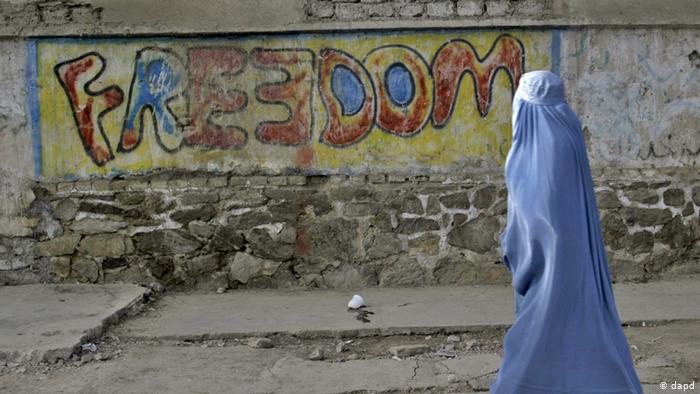
The law, enacted in August 2024, codifies the Taliban’s strict interpretation of Islamic rules. It mandates gender segregation in public, requires women to wear a full hijab and conceal their voices, and bars them from traveling without a male guardian.
Men are also targeted. They cannot wear ties, shorts, or “un-Islamic” hairstyles, and must keep their beards at least fist-length. Punishments range from fines and short detentions to referral to courts for repeat offenders.
According to the report, since the law came into force, the Taliban has deployed more than 3,300 morality police across 28 provinces. These officers, backed by compliance committees, monitor behavior, dress, and public conduct, with powers to arrest, punish, and even destroy property.
“The law embodies the Taliban leadership’s determination to impose its vision of a pure Islamic system nationwide,” the High Commissioner said. It described the measures as “systematic gender persecution,” stripping women and girls of autonomy in nearly every aspect of life.
The report also highlighted Afghanistan’s worsening humanitarian situation. Droughts, floods, reduced aid, and frozen state assets have pushed 9.5 million people into severe food insecurity. About 4.6 million women and children are suffering from malnutrition. More than two million Afghans returned from Iran and Pakistan in the first half of 2025, putting further pressure on already limited resources.
Over the past four years since returning to power, the Taliban have enforced what rights groups describe as “gender apartheid,” effectively excluding women and girls from nearly all aspects of public life. Even before the morality law, they were banned from education beyond the sixth grade, most jobs, and leisure spaces such as parks, gyms, and beauty salons.

