

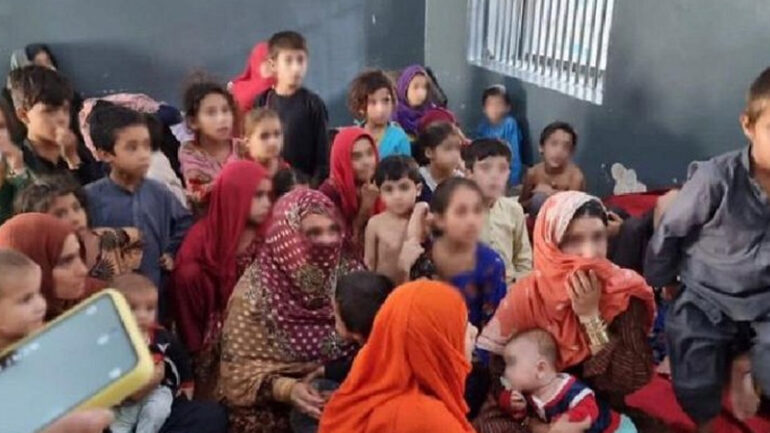

KABUL, AFGHANISTAN – Afghan refugees in Pakistan are increasingly avoiding hospitals and medical facilities across the country due to fear of harassment and arrest by police, the country’s leading human rights body has said.
In a statement posted on X, the Human Rights Commission of Pakistan (HRCP) said pregnant women and seriously ill refugees are among those too afraid to seek medical care. The commission added that some hospitals also refuse treatment to patients without valid visas.
The HRCP described the situation as a violation of human dignity and said it breaches Pakistan’s obligations under its constitution and international human rights law. It also warned that Afghan women and girls face particular risks if deported to a country it described as practising “gender apartheid.”
International medical organization Médecins Sans Frontières (MSF) recently reported that the threat of deportation has created a climate of fear among Afghans in Pakistan, with many avoiding essential medical care, leading to serious health consequences.
“I cannot come to the clinic for treatment because I will be arrested and deported. I have to skip my visit,” one refugee told MSF. Another said: “Since the deportations were announced, we live in constant anxiety. We avoid going out due to fear of arrest. Families are afraid to sleep at night, not knowing if there will be a raid. The children are traumatized.”
Pakistan has hosted millions of Afghans for decades, many fleeing war, poverty and persecution. In late 2023, the government launched a nationwide deportation campaign, initially targeting undocumented Afghans before extending it to those with temporary protection documents such as ACC and PoR cards, as well as people awaiting resettlement in Western countries.
According to the United Nations, more than 1.3 million Afghans have been deported to Taliban-controlled and impoverished Afghanistan since the campaign began.
The crackdown has intensified in recent months, especially in Islamabad and neighboring Rawalpindi, where police have conducted widespread house-to-house raids and detentions.
The UN and international rights groups have repeatedly urged Pakistan to halt forced deportations and ensure refugees have access to essential services, including healthcare.
Rights groups also warn that forced returns put Afghan refugees, especially former government employees, women’s rights defenders, journalists, and activists, at risk of Taliban retaliation and abuse. Reports indicate that many returnees have been detained by the Taliban or attacked by unidentified armed individuals after returning to Afghanistan.

