


KABUL, AFGHANISTAN – More than 100 Afghan and international human rights and civil society organizations are urging the UN Human Rights Council to create an independent accountability mechanism to investigate past and ongoing abuses in Afghanistan.
In an open letter released Thursday, the groups — including Amnesty International and Human Rights Watch — said the mechanism should have a mandate to investigate, collect, preserve, and analyze evidence of crimes under international law and other serious rights violations.
“Decades of impunity have fueled repeated atrocities in Afghanistan,” the letter warned. “An accountability mechanism would be a key tool in addressing entrenched impunity and supporting victims and survivors in their pursuit of truth, justice, and reparation.”
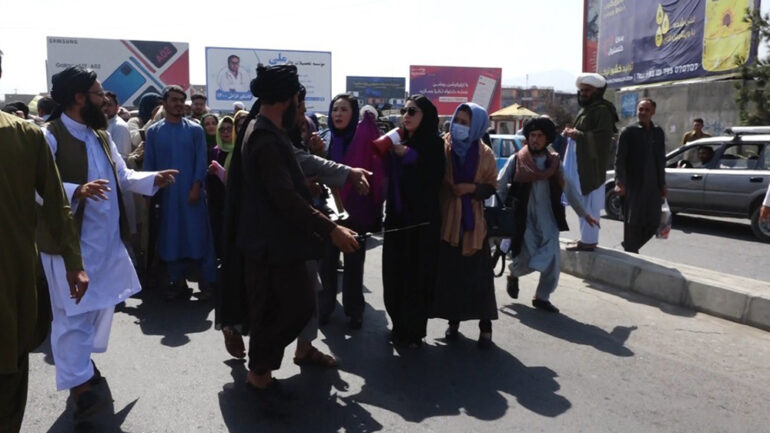
The groups said Afghans, particularly women, girls, minorities, and LGBTQI+ communities, have endured unprecedented repression during the four years of Taliban rule. They cited widespread abuses, including extrajudicial killings, torture, enforced disappearances, systemic discrimination against women and girls, bans on their education and work, and persecution of religious minorities such as Hazaras, Shias, Sikhs, and Hindus.
The letter noted that Afghanistan’s independent legal system has collapsed, with the Taliban imposing sweeping restrictions on rights and freedoms. The organizations argued that only an international body could ensure credible investigations and accountability.
They added that such a mechanism would complement the work of the UN Special Rapporteur on human rights in Afghanistan, whose mandate they said should also be renewed and fully resourced.
The organizations called on member and observer states of the Human Rights Council to act at its upcoming 60th session and “stand in solidarity with the people of Afghanistan” by supporting the creation of the mechanism without further delay.
Rights groups and activists have long pushed for an accountability mechanism for Afghanistan, criticizing the UN Human Rights Council for failing to deliver. They argue that, despite holding numerous meetings and adopting resolutions, the Council has yet to establish the urgently needed body to investigate past and ongoing human rights abuses in the country.

