


Directed and photographed by Hassan Ati
Interviews by Arezo Rahimi
Hassan Ati is thirty-one years old, but he no longer measures his life in birthdays. He measures it in the distance between ‘no longer’ and ‘not yet’.
Since 2015, Hassan has lived in Indonesia, a country known to tourists as a lush, emerald paradise, but known to Hassan and thousands of other refugees as a ‘green hell’.
In this place of absolute suspension, in the quiet violence of waiting, Hassan found a camera—or perhaps the camera found him.
Hassan’s journey to Indonesia was not fueled by a desire for a new life, but by the desperate need to preserve the one he had. “Coming here was not a choice,” he says, his voice carrying the weight of a decade in exile. “I came for safety, not prosperity. Conditions beyond my control made staying in Afghanistan impossible.” He arrived in a landscape that felt like a beautiful cage. While the world sees Indonesia’s vibrant greens as a symbol of life and hope, to Hassan, the color has become a velvet trap. “For tourists, it is a paradise. For us, it is an enclosure. In my photos, I do not try to resolve this contradiction; I just let it exist.”
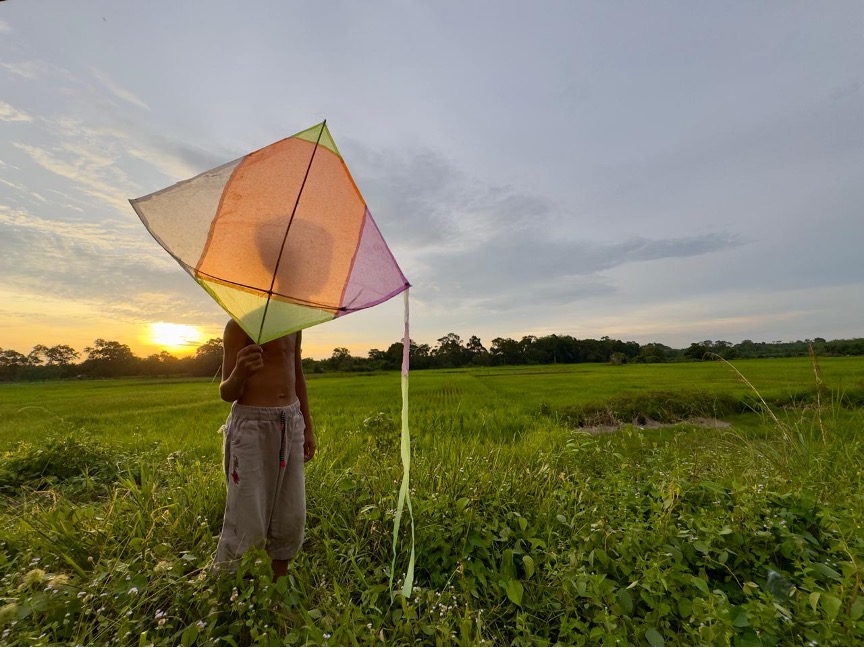
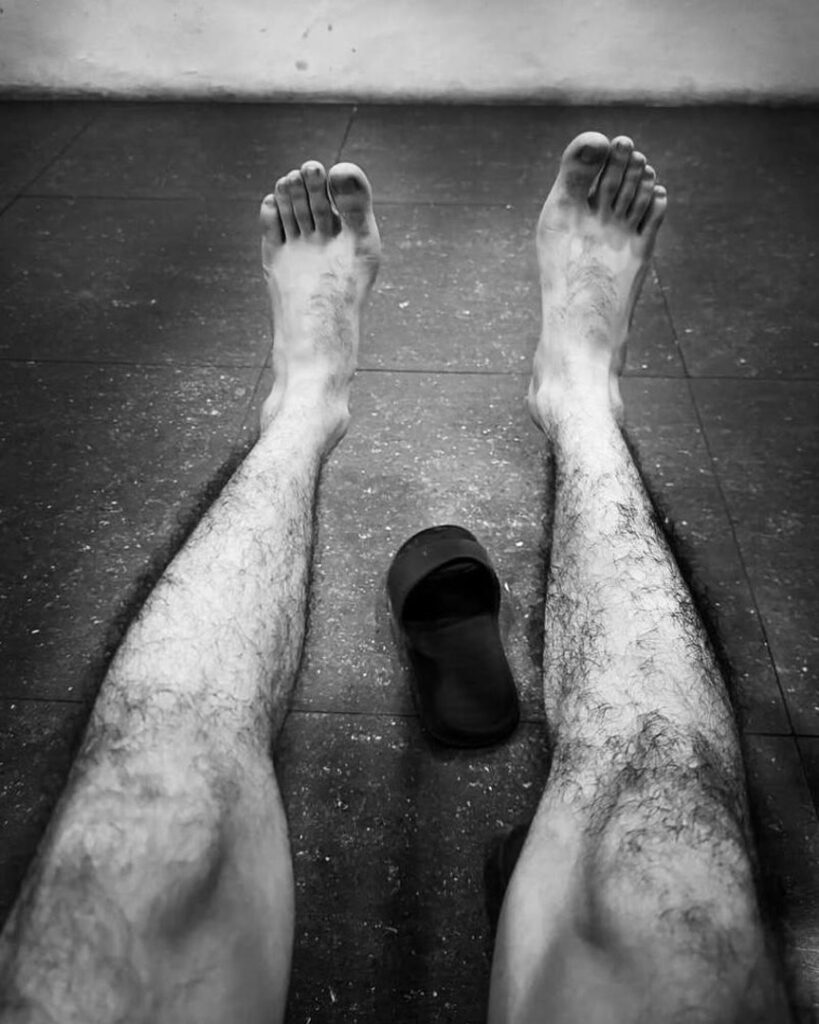
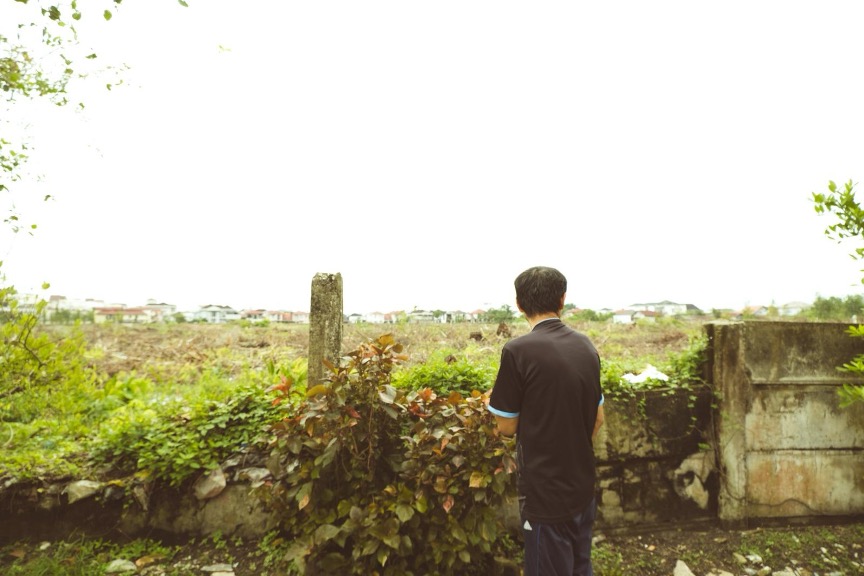
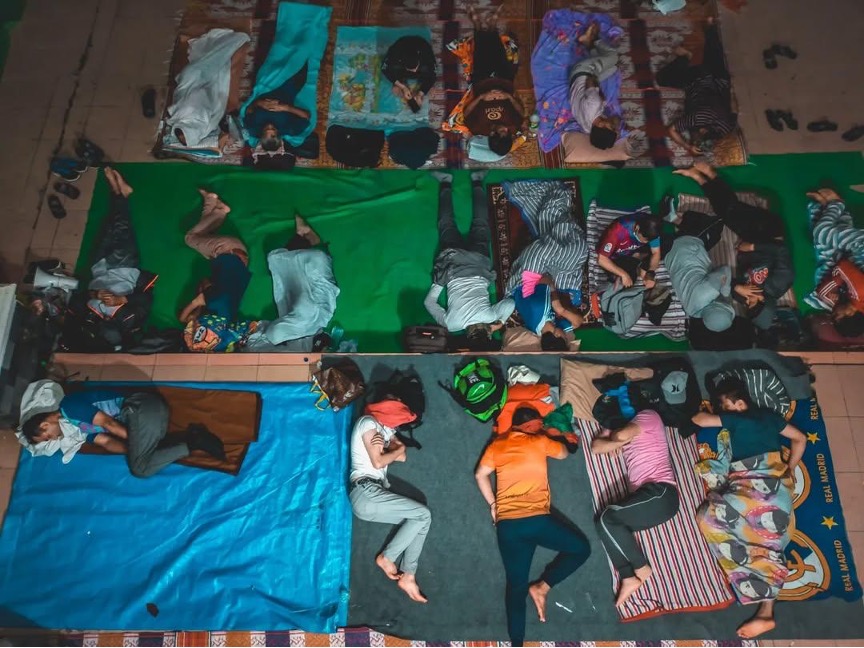
Hassan did not begin as a photographer. He started by documenting the simplest things: a friend baking bread in the early morning, the quiet endurance of roommates, protests that led nowhere. As the years piled up and the days blurred together, his search for identity deepened. He eventually turned to the lens of his phone. It was not about professional ambition; it was about preserving what was slipping away.
In the limbo of refugee life, people disappear. Some are resettled, some move on, and others, broken by the wait, take their own lives. “Our lives here are temporary, fragile, and easily forgotten,” Hassan says. “Photography is my way of saying: We were here. We existed. Our lives had value.”
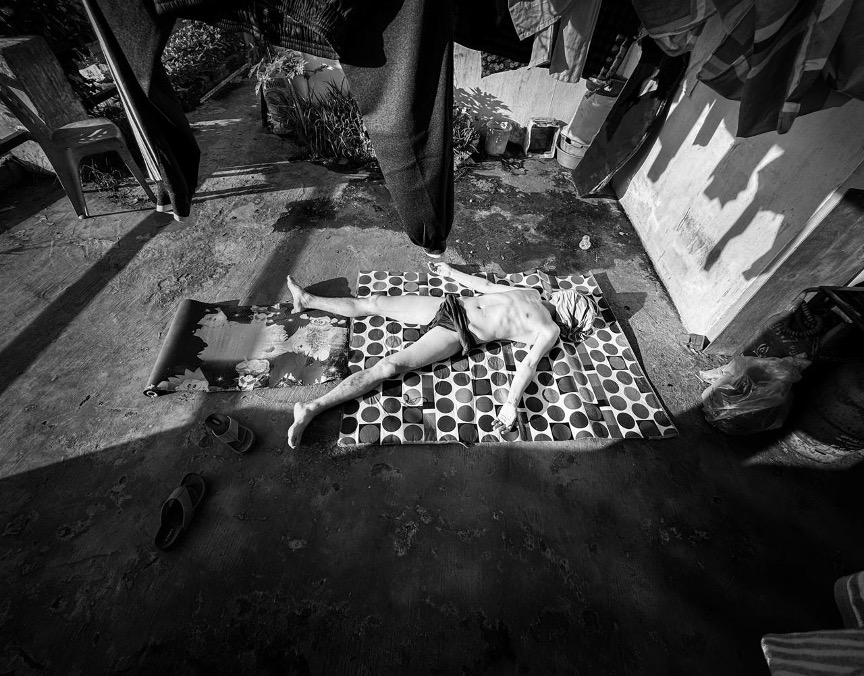
His work balances the tragedy of prolonged displacement with the dignity of the people in the frame. He avoids shock or staged misery. Even when confronted with extreme moments, such as refugees sewing their lips shut in protest, he hesitates. These ‘moments of complete collapse’ are the hardest to capture, not because they aren’t real, but because they are so painfully raw. “When there is no clear future, the details become the story,” he says. Small gestures, fleeting expressions, and quiet routines take on weight when time itself feels suspended. Through the camera, Hassan decides how his experience is narrated, refusing to exist only as a subject of crisis.
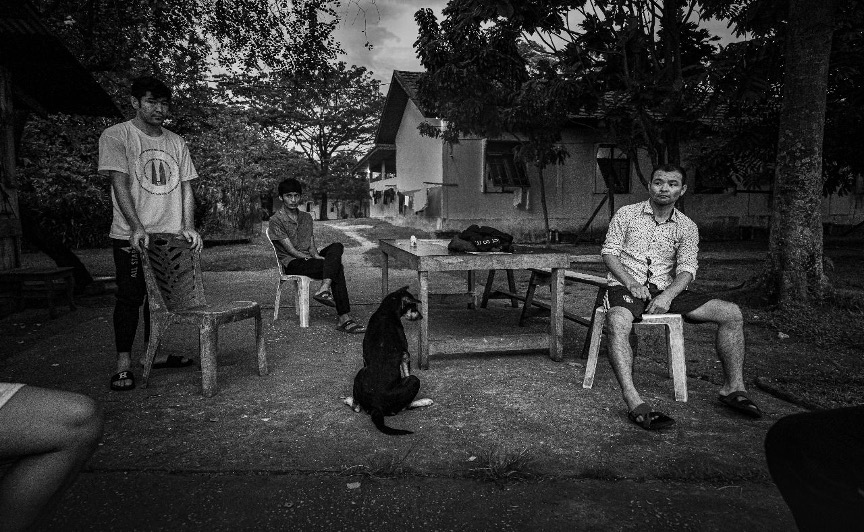
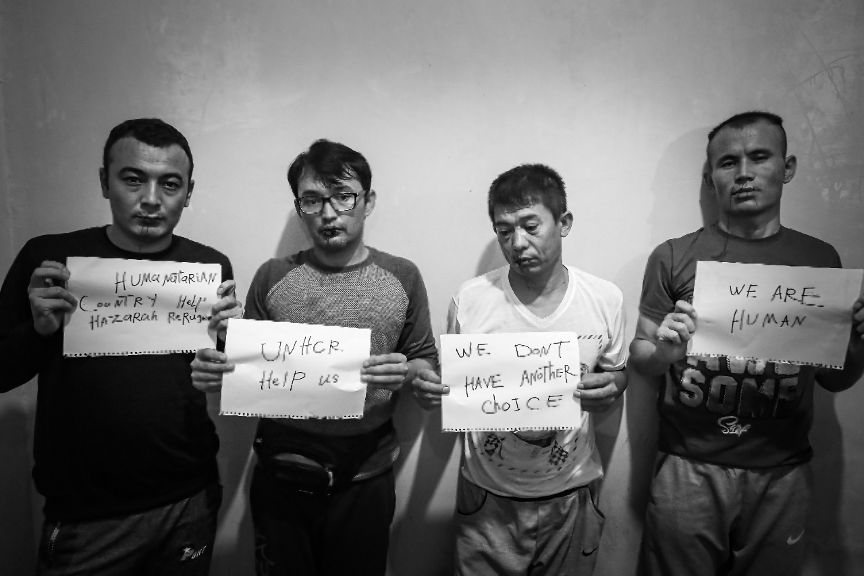
His photographs carry what he calls “the weight of silence.” They hold exhaustion and quiet resistance, lives stretched thin by waiting rooms and temporary shelters.
Hassan’s dream is simple. He does not imagine fame or comfort. “After years of waiting, ordinary life feels like a miracle,” he says.
Until that miracle arrives, he remains in Indonesia, his lens focused on people the world has learned to overlook. His message to those outside this waiting is clear: waiting is not neutral. It wears people down, slowly and invisibly. Through his viewfinder, however, something endures. He is still there. He is still watching. He still exists.
Brotherhood
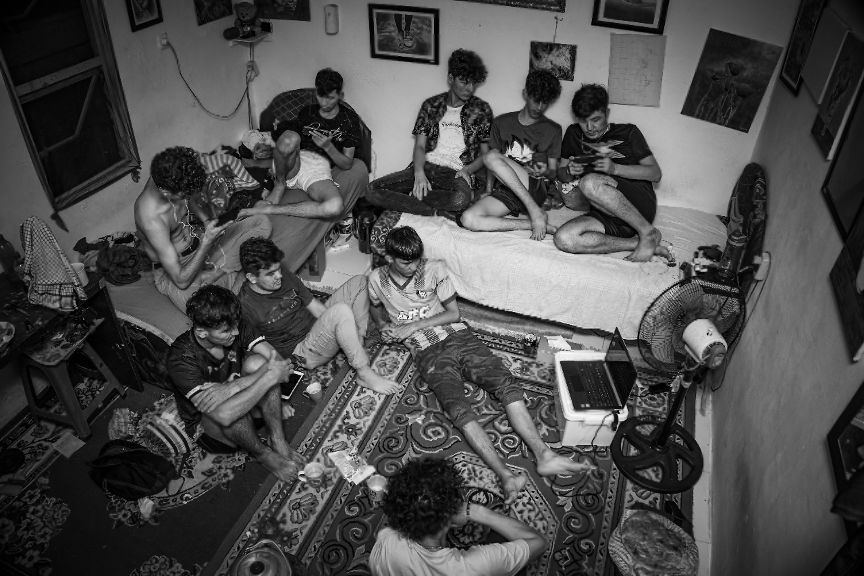
The photograph of the young men gathered around a laptop watching the 2022 World Cup Final captures more than a casual moment; it freezes a fragile sense of brotherhood that he knew would not last. The scene was deeply personal for him, shaped by the awareness that this togetherness was temporary. One of the boys, Ali Agha, would soon leave the group to move to New Zealand, and that impending separation gave the image its weight. For him, photography became a way of holding onto something already slipping away. While a photograph cannot stop time, it can preserve a memory before it disappears.
Pain
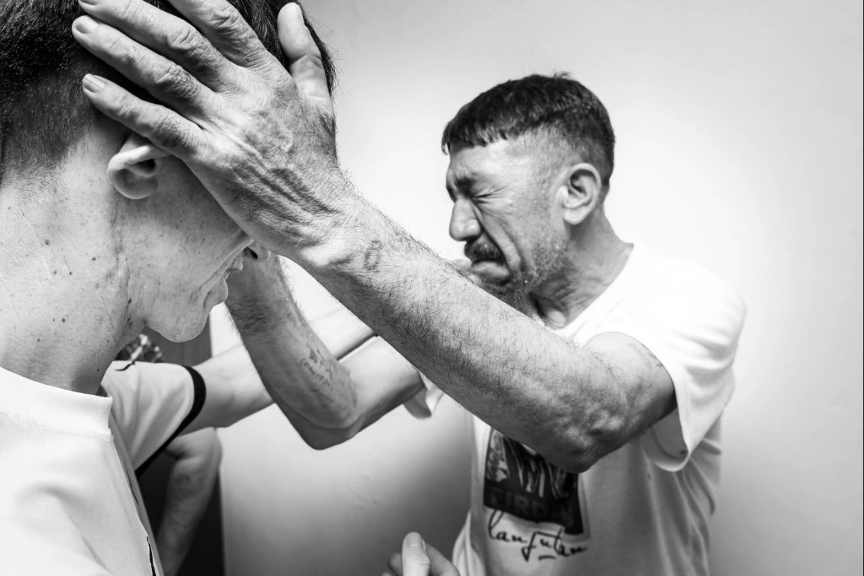
When faced with moments of extreme vulnerability, he never photographs impulsively. He pauses, weighing the presence of the camera against the dignity of the person in front of him. If he senses that recording the moment might cause harm, he steps back and chooses not to shoot. Yet he also believes that some moments must be witnessed, because they reveal truths that often remain unseen. In those instances, respect for the human being comes before the image itself. In this photograph, Bismillah is captured in a moment of despair as he says goodbye to Mahmoud, while others reach out in an attempt to calm him.
A Generation Born into Waiting
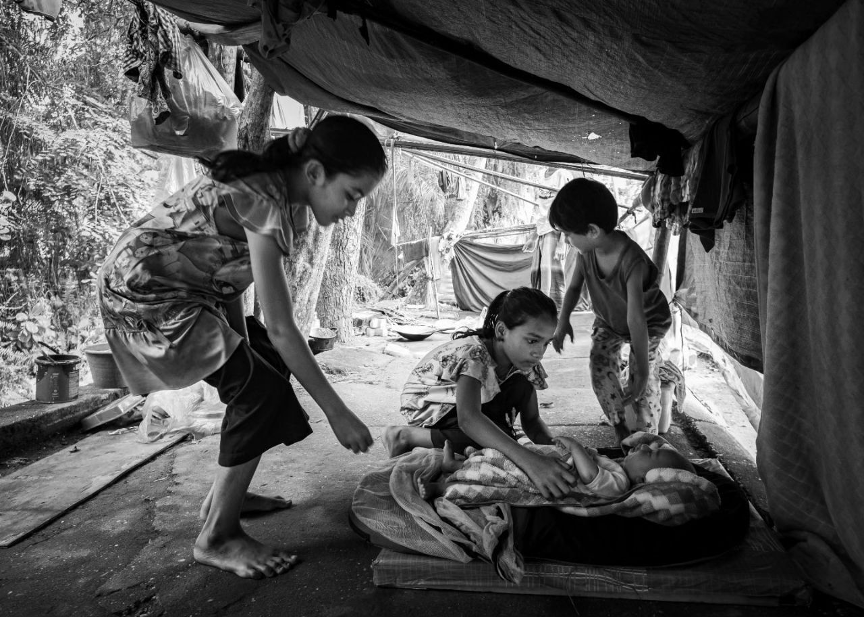
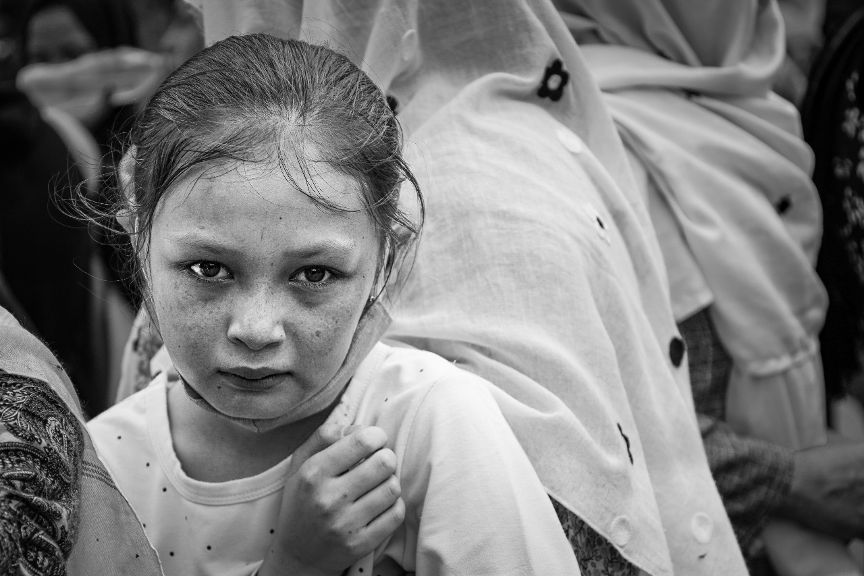
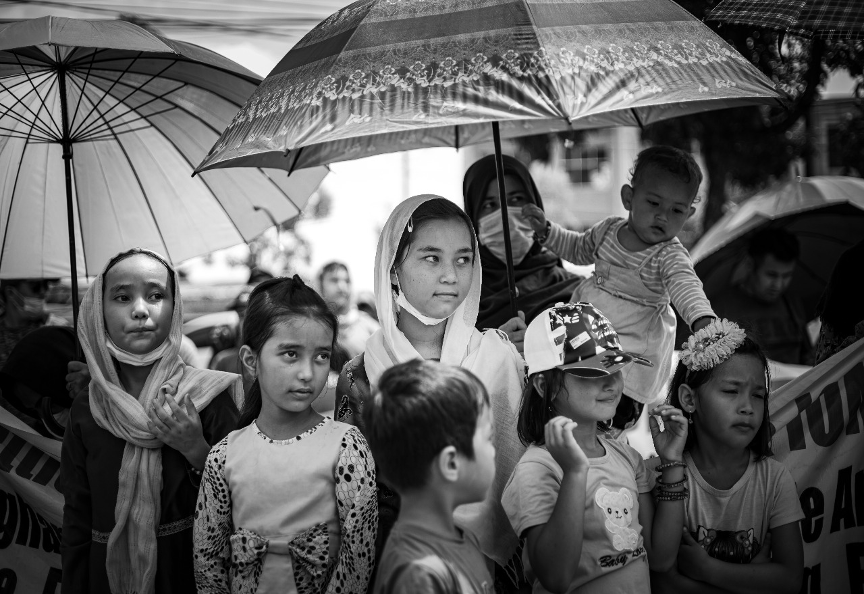
The children in the photograph are Rohingya, living under a tent by the side of the road, caring for an infant beneath a sheet of plastic. Photographing children is never easy for him, because they have been placed in these circumstances without any choice of their own. Yet connecting with them comes naturally. Their honesty is immediate, and despite everything, there is still hope in their eyes. Their lives are deeply unstable, but even within such harsh conditions, they have learned responsibility, tenderness, and care for one another.
The End of the Waiting
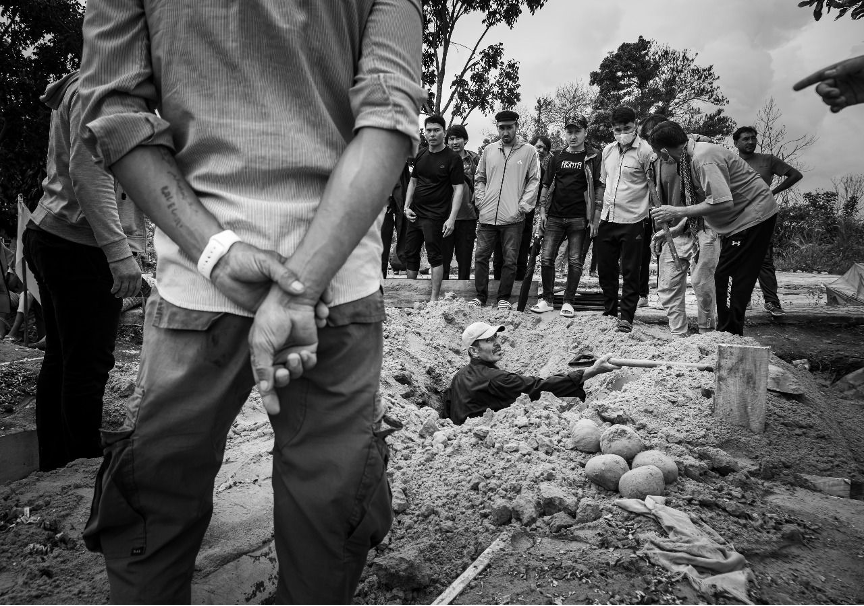
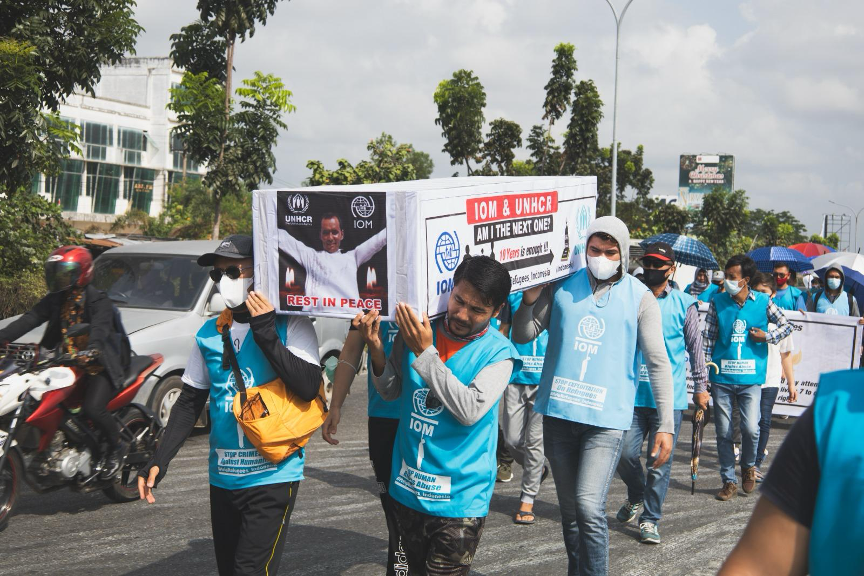
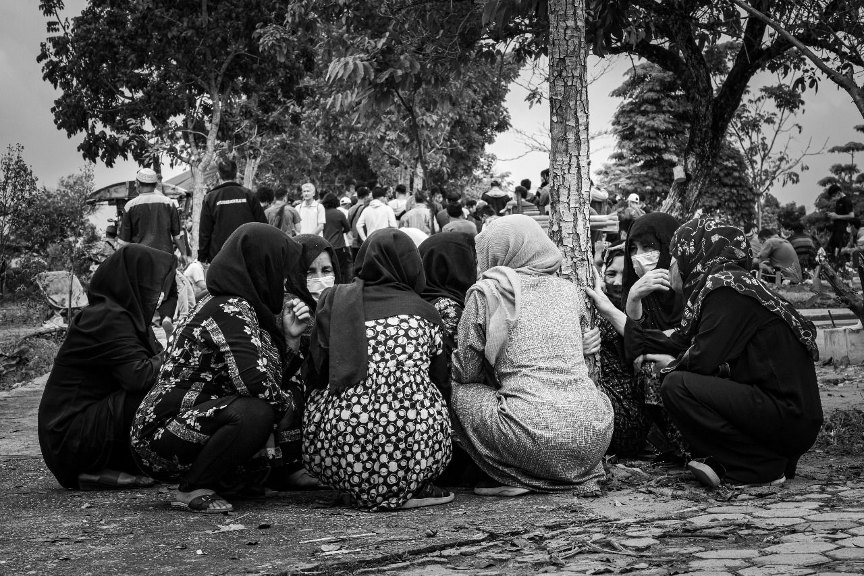
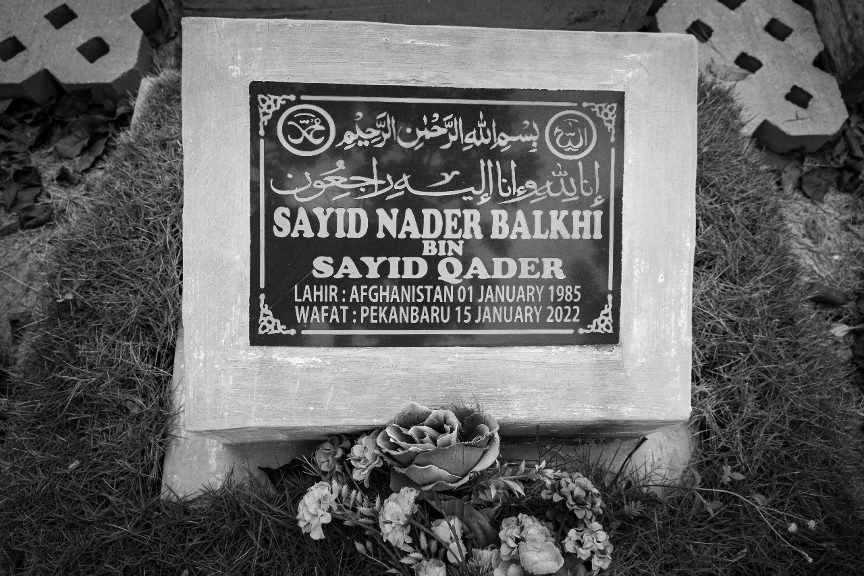
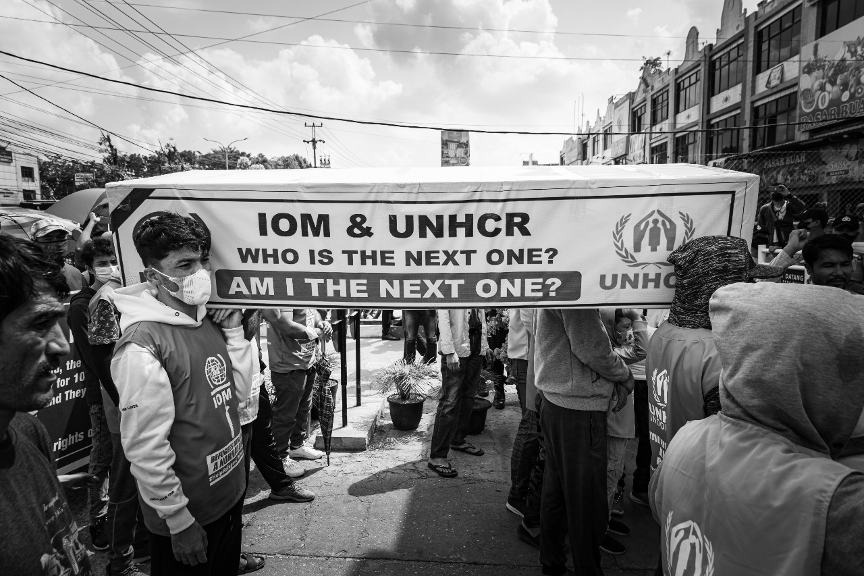
The photograph of men standing around a grave carries a weight that sets it apart from his everyday images. For him, recording the end of a life in a place defined by waiting felt profoundly heavy. It was a reminder that waiting is not always safe, that sometimes life ends before it ever has the chance to begin. Making this photograph was painful, but it was also necessary, because it reflected a truth he could not ignore. Digging the earth became more than a physical act; it symbolized the end of waiting for one human being. By choosing this angle, he aligned the hands and the watch of the distressed man watching the grave being dug with the scene behind him, allowing the passage of time and the gravity of the moment to be felt together. If a life is defined by the act of waiting, and that wait is cut short by the grave, does the meaning of that person’s existence lie in what they were waiting for, or in the weight of the silence they leave behind?
They Were There
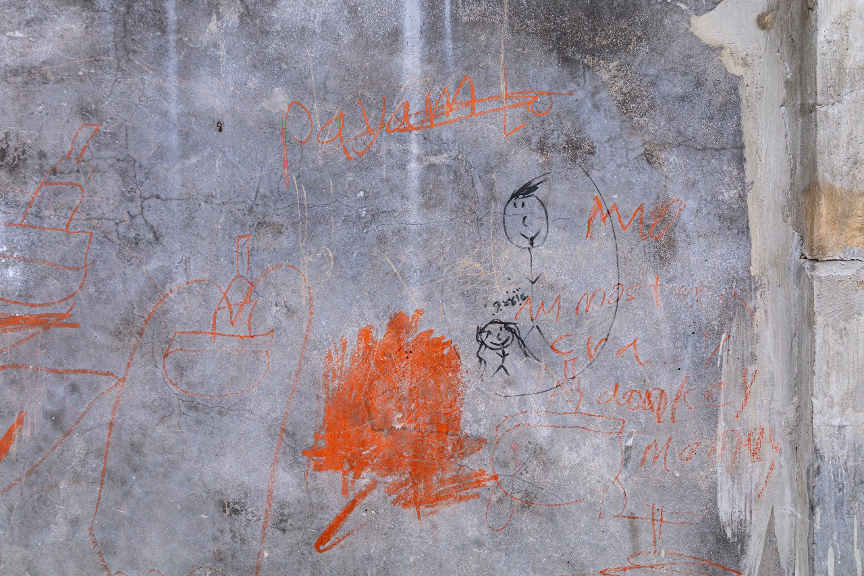
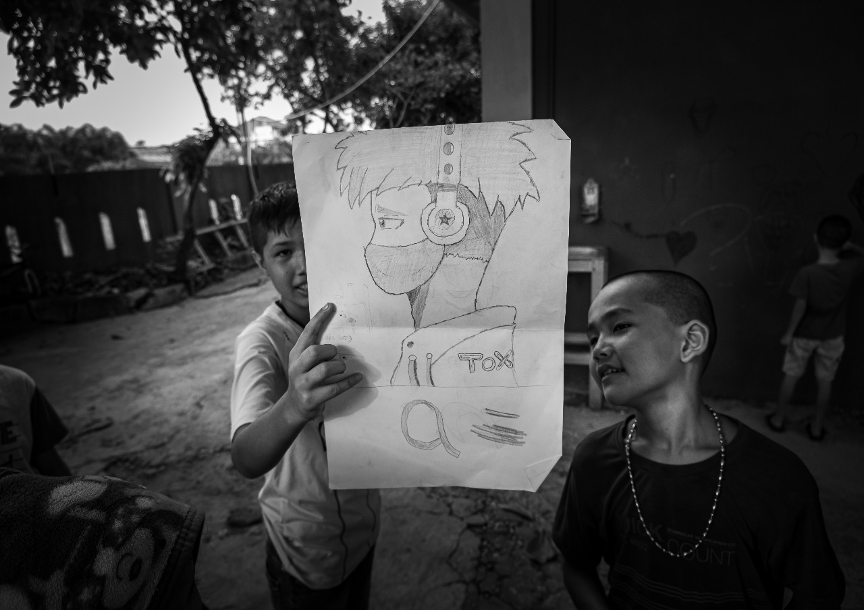
In his photographs of the walls, he was not interested in documenting the paintings as artworks in themselves, but in capturing a sense of presence. The marks on the walls are traces of life. In a place where nothing is permanent, these lines and colors quietly insist that someone lived here, played here, and, for a brief moment, dreamed beyond the limits of that space.
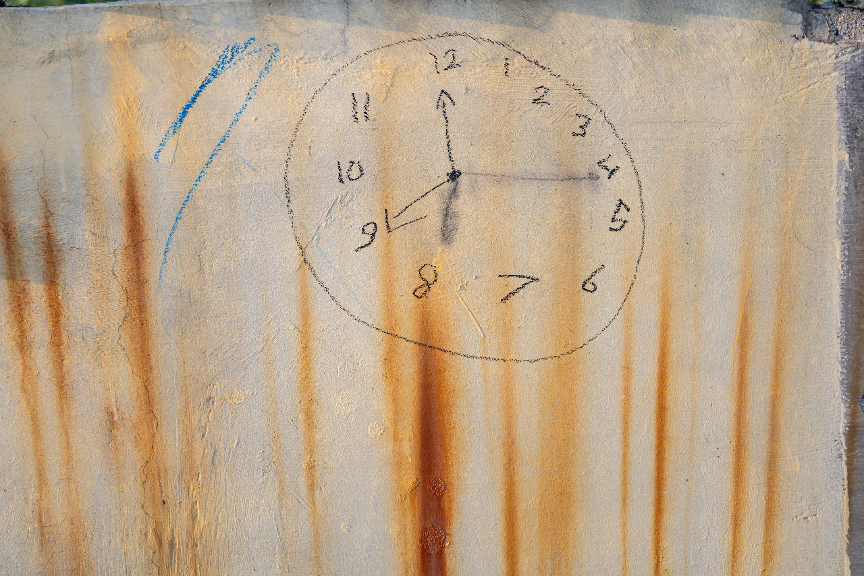
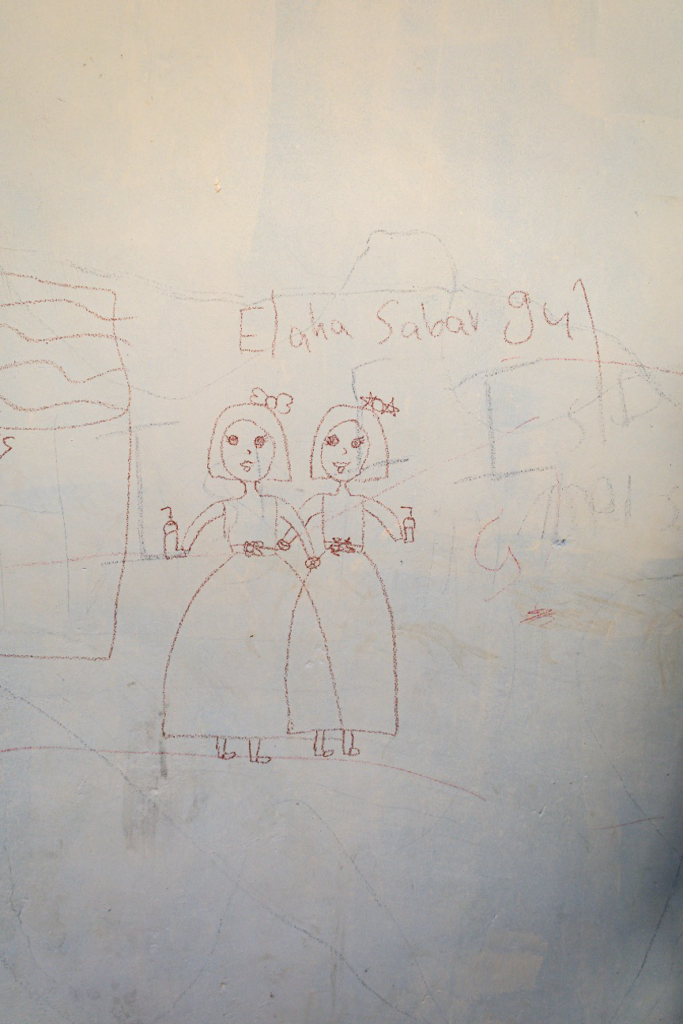
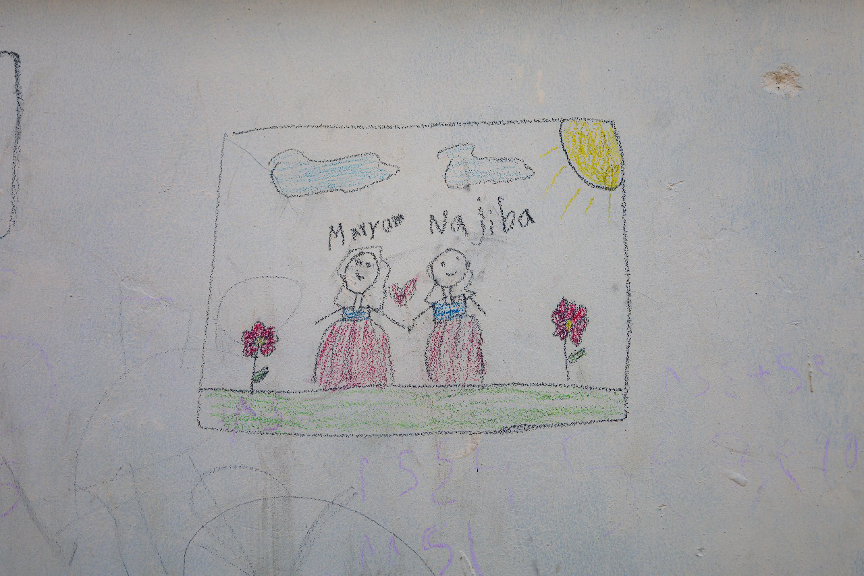
The paintings were all made by the children who lived in or passed time through that space. There was no direction or staging involved. They drew freely, using whatever materials were available to them, unaware that these marks would one day be seen or recorded.
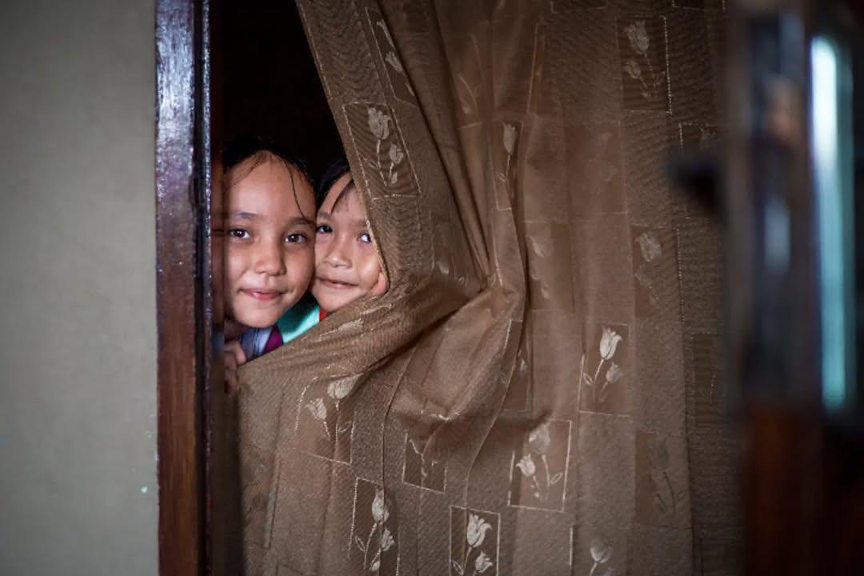
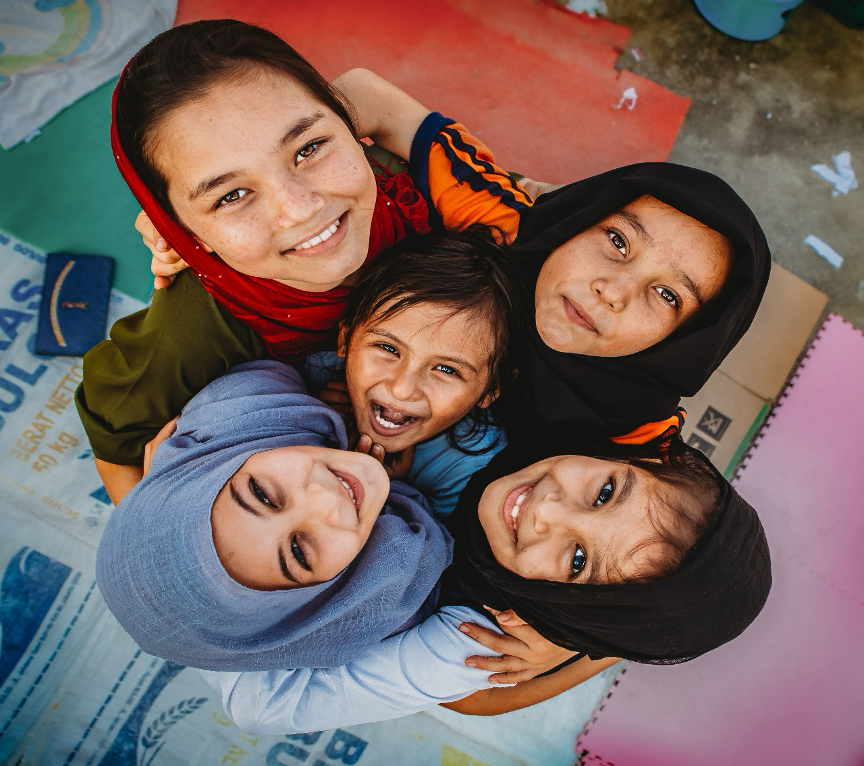
He spent time with them, though not always through words. At times there were simple conversations; at others, shared silences. Often it was enough to sit beside them while they painted or played. For him, connection with children was built less through questions than through presence, patience, and time. Connecting with the children carried a dual weight for him, both peaceful and heavy. It was peaceful because children communicated with honesty and directness; heavy because of the awareness that they were growing up at the center of uncertainty. Photographing them was not an act of distant observation, but an acknowledgment of their existence and their inner world, even when the future offered them nothing clearly defined.
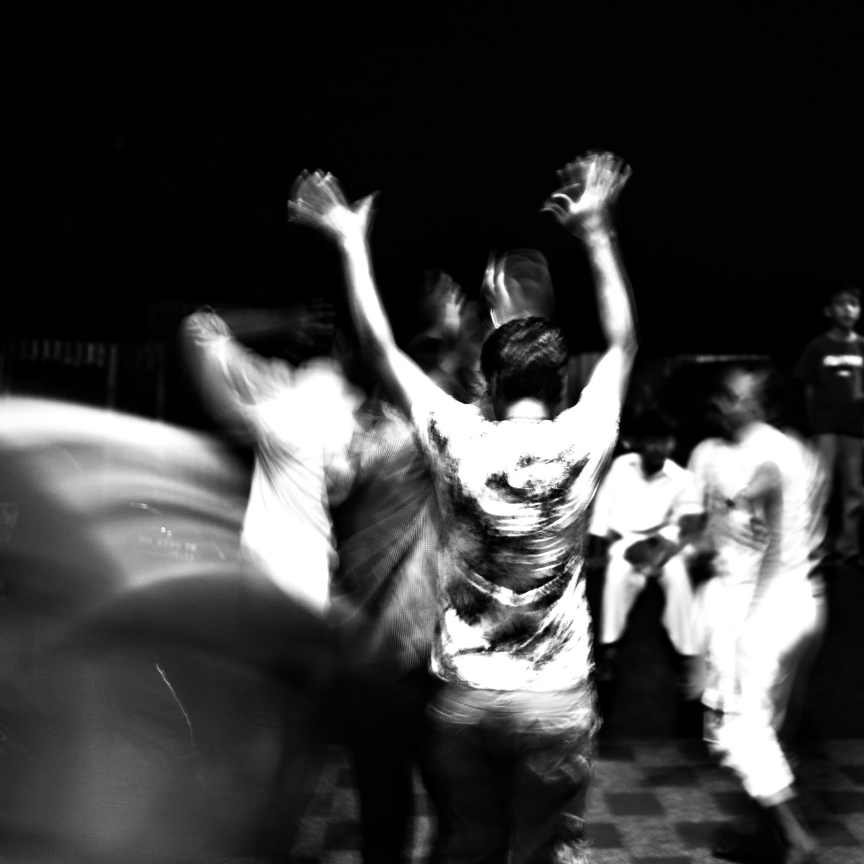
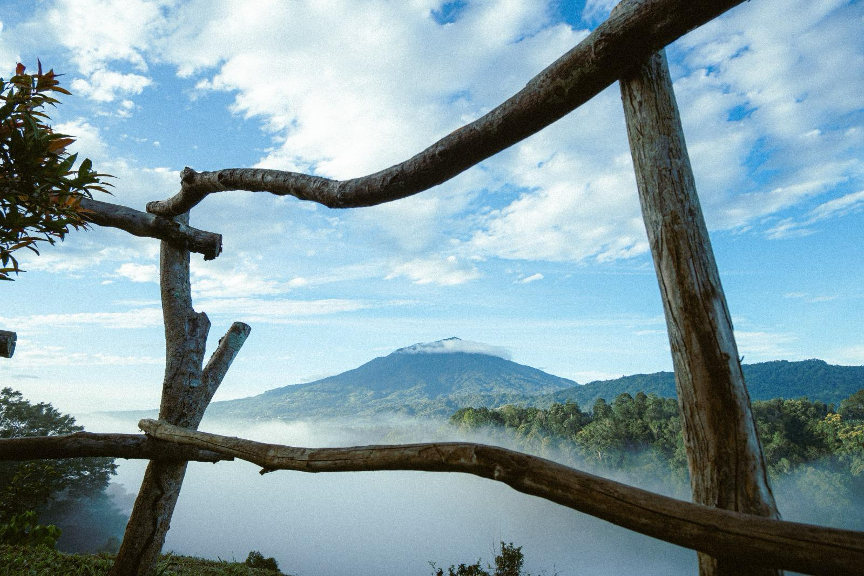
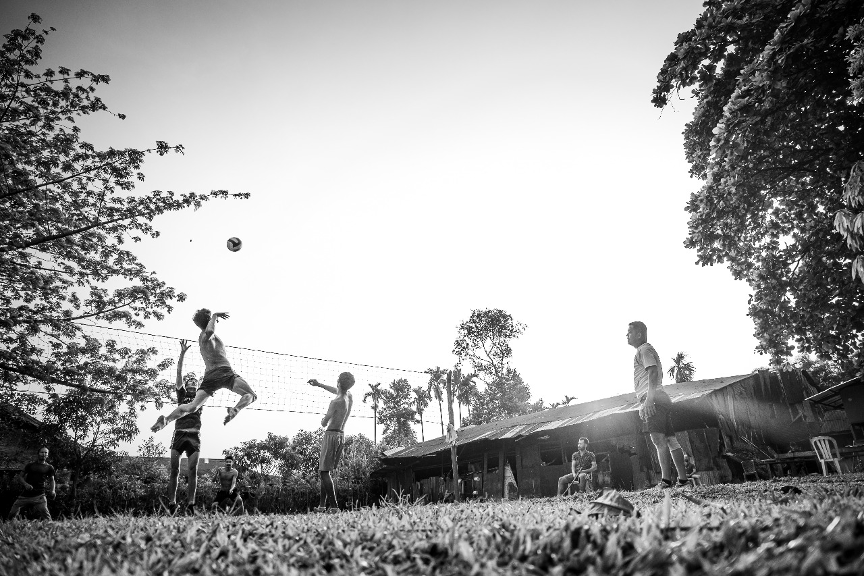
For Hassan, a typical day unfolds through the quiet rhythm of the ordinary. The hours pass in small, repetitive tasks—short walks, familiar conversations with friends, and the steady anchor of routine. There was a time when the days felt stagnant, stretching toward a horizon that never seemed to draw closer. Recently, he has found grounding in learning mechanics, a form of physical work that gives his hands purpose while his life remains in flux.
His creative process is rarely planned. He does not search for the extraordinary, but waits for the ordinary to reveal its deeper meaning. He raises the camera when the light shifts just enough to alter the mood of a room, when silence grows heavy, or when a fleeting movement carries unexpected weight. Photography becomes an act of preservation—an urgent response to moments that feel too significant to disappear.
What sustains him most is human connection. He finds warmth in shared waiting, in being heard, and in knowing he can still be of use to those around him. He describes his resilience through the image of a farmer who sows wheat into dry autumn earth, trusting in a future he cannot yet see.
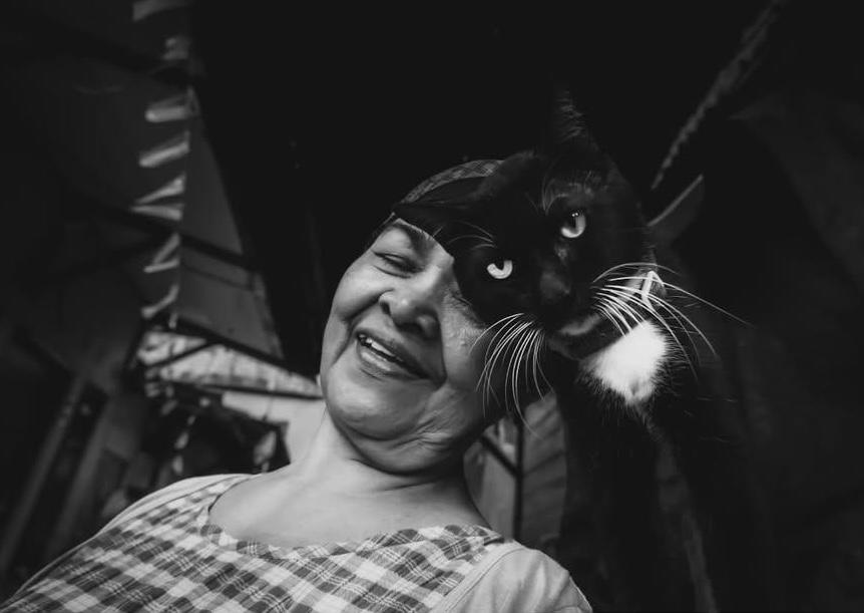
He survives by paying attention to small details: morning light, a cup of tea, a brief laugh, the act of cooking, a woman with her cat. These ordinary moments keep him grounded and remind him that, even in waiting, he is still alive.

