

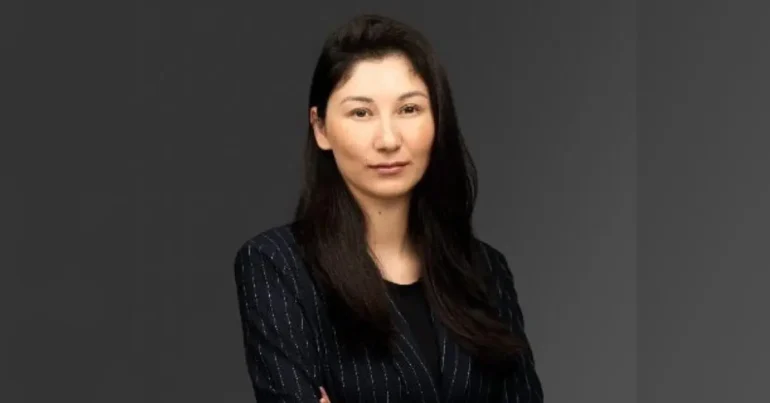

KABUL, AFGHANISTAN – Fereshta Abbasi, a South Asia researcher at Human Rights Watch, says that the meeting between European Union member states and the Taliban is hypocrisy and a great shame.
Ms. Abbasi wrote in a post on X on Tuesday night (24 June): “It’s a blatant act of hypocrisy to condemn Taliban abuses in one hand and give them such prestige and agree on deals on the other hand.”
She added: “A big shame for the EU member states, who met with the Taliban today to discuss migration control.”
The European Commission hosted a five-member Taliban delegation in Brussels yesterday to discuss the deportation of Afghan migrants. The meeting drew widespread criticism from human rights groups, UN experts, EU lawmakers, and Afghan women, who warned that such engagement risks legitimizing the Taliban.
Spokespersons for the European Commission told media outlets that the meeting was held solely to discuss technical issues related to the deportation of Afghan migrants.
Markus Lammert, one of the European Commission’s spokespersons, said that member states had decided to deport migrants who had committed serious crimes and were considered threats to European security, and that the Taliban’s agreement was necessary for their deportation.
However, critics of the European Union’s engagement with the Taliban say that such relations provide political legitimacy to the group and will not remain limited to technical matters.
Hannah Neumann, a German member of the European Parliament, criticized the meeting on X. “The Commission held ‘technical talks’ with the Taliban in Brussels today. What a shit show,” she wrote. “The Taliban are not seeking technical discussions with the EU; they are seeking legitimacy,” she added.
She argued that although the European Commission refers to the meetings as a “technical dialogue,” similar engagements in Germany began under the same label and eventually paved the way for deportations to Afghanistan. She questioned the logic of returning people to a country governed by the Taliban and warned that gradual normalization of relations with the group is taking place.
According to her, the Taliban have sought greater diplomatic recognition, including access to consular offices in Germany and additional consular representation.Neumann expressed concern that these offices could be used to identify and monitor Afghans who fled Taliban persecution. She stated that many Afghan refugees fear the Taliban may extend intimidation and pressure beyond Afghanistan’s borders, a practice often described as transnational repression.
Richard Bennett, the UN Special Rapporteur on human rights in Afghanistan, had warned ahead of the meeting that inviting Taliban representatives would “insult the people of Afghanistan, especially women,” citing restrictions on women’s rights, education, and public life.
Abdul Qahar Balkhi, spokesperson for the Taliban Ministry of Foreign Affairs, announced last night that discussions during the meeting focused on “the resumption of consular services for Afghan citizens in Europe, confidence-building measures, meaningful engagement, and ways to address the problems faced by Afghans whose asylum applications in Europe have been rejected and who are confronting numerous challenges.”
Balkhi’s statement, however, indicated the agenda was broader than deportation facilitation.
The meeting has sparked renewed debate among human rights advocates and migration experts over how governments can balance migration management and security concerns with accountability for human rights violations. Critics argue that any direct engagement with the Taliban risks normalizing relations with a government that continues to face widespread international criticism over its restrictions on women’s rights, civil liberties, and political freedoms.
Since returning to power in 2021, the Taliban have imposed sweeping restrictions on women and girls, including bans on secondary and higher education and limits on employment and public life. Human rights groups and UN experts have described the measures as amounting to “gender apartheid.”

