

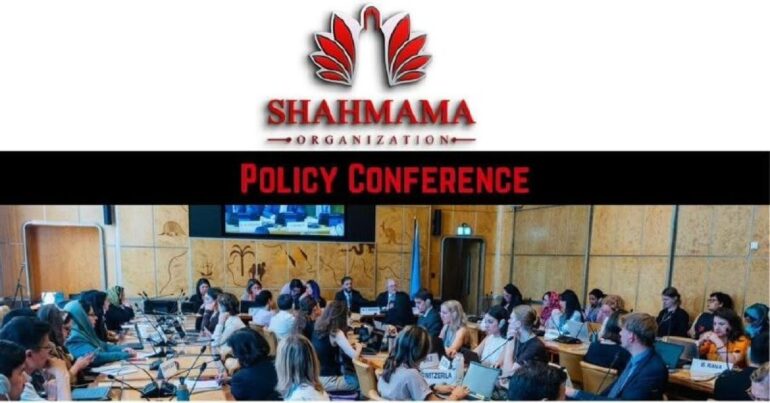

KABUL, AFGHANISTAN – The third “Shahmama International Conference” will be held tomorrow (Monday, June 15) at the United Nations headquarters in Geneva.
The Shahmama Organization announced that discussions at the conference will focus on “advancing gender justice and accountability for Afghan women.”
The conference will be organized in cooperation with and participation from representatives of more than 12 countries, UN Women, and several other international organizations.
In addition to speeches by representatives of participating countries, Afghan women, diplomats, policymakers, human rights experts, representatives of international organizations, and civil society activists will also take part in the event.
The Shahmama Organization stated that participants will discuss issues such as “the current situation of Afghan women, existing challenges, and policy solutions to support the rights, justice, and meaningful participation of women in the future of Afghanistan.”
The Shahmama International Conference is a platform for examining and analyzing the situation of Afghan women and proposing practical solutions. The second round of the conference was held in September of the previous solar year.
The conference comes at a time when Afghan women continue to face extensive restrictions on their rights, education, employment, and public participation, making international discussions on accountability, gender justice, and long-term policy responses increasingly significant.
Shahmama Organization is a Geneva-based, women-led non-profit and non-governmental organization dedicated to advancing the rights, leadership, and dignity of Afghan women and girls. Inspired by the legacy of the ancient Shahmama Buddha statue of Bamyan, the organization works to amplify Afghan women’s voices through international advocacy, leadership development, capacity-building initiatives, and engagement with global policymakers.
Shahmama promotes gender equality, social justice, and the meaningful participation of women in shaping Afghanistan’s future. The organization also convenes international conferences, including its Geneva conferences on gender justice and accountability for Afghan women, bringing together diplomats, human rights experts, civil society representatives, and women activists from Afghanistan and around the world.
Since returning to power in August 2021, the Taliban have systematically rolled back rights for women and girls. The group first banned secondary education for girls, later extending restrictions to universities, most forms of employment, public spaces, gyms, long-distance travel without a male guardian, and broader participation in public and civic life.
Human rights experts, activists, and international organizations have described the policies as a form of gender apartheid. In July 2025, the International Criminal Court issued arrest warrants for senior Taliban leaders, including the group’s leader and chief justice, for crimes against humanity related to gender persecution.
The Taliban reject international criticism, saying their policies are based on Islamic law and Afghan traditions. Despite repeated appeals from foreign governments, including Muslim-majority countries, and international organizations, restrictions on women and girls remain in place, limiting their access to education, employment, and public life.

