


KABUL, AFGHANISTAN – The United Nations Assistance Mission in Afghanistan (UNAMA), marking the International Day to Combat Desertification and Drought, has stated that prolonged droughts, expanding desertification, and water scarcity are seriously threatening people’s livelihoods and food security in Afghanistan.
In a message released today (Wednesday, June 17), UNAMA said that Afghanistan is on the front line of climate change.
The UN mission warned that the country is facing prolonged drought, land degradation, and water shortages that are endangering livelihoods and food security.
The United Nations’ theme for this year’s International Day to Combat Desertification and Drought is “Rangelands: Recognize, Respect, Restore.”
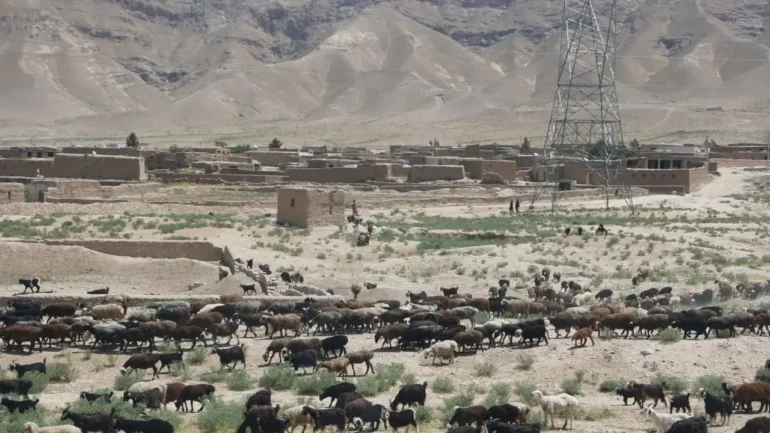
UNAMA stated that rangelands are critically important for livestock production and Afghanistan’s ecosystems, but a large portion of them has been degraded. According to the mission, recognizing the value of these resources, respecting local knowledge, and investing in their restoration can help strengthen resilience against climate-related challenges.
The International Day to Combat Desertification and Drought, which was established by the United Nations General Assembly in 1995, is being observed this year under the theme “Rangelands: Recognize, Respect, Restore.”
UNAMA further noted that rangelands are vital for pastoral communities and Afghanistan’s ecosystems, but many of them have been degraded.
The mission emphasized that recognizing their importance, respecting local expertise, and investing in restoration efforts could help Afghanistan build resilience against climate shocks.
The United Nations mission also stressed the need to support sustainable land management and empower local communities, particularly women.
Afghanistan is among the countries most vulnerable to the impacts of climate change. According to the United Nations, the country contributes only about 0.1 percent to global greenhouse gas emissions.
Recurring droughts, shifting seasons, devastating floods, expanding deserts, the loss of rangelands—including grasslands, shrublands, forests, and wetlands—and broader climate change impacts are among the consequences affecting Afghanistan.
However, UN agencies say that investment aimed at addressing these challenges and preventing the worsening effects of climate change in Afghanistan remains extremely limited.
Climate experts have repeatedly warned that without greater international support and long-term investment in environmental protection, water management, and sustainable agriculture, Afghanistan’s vulnerability to climate-related disasters is likely to increase. Such challenges not only threaten the country’s natural resources and economy but also risk deepening humanitarian crises and displacement, particularly in rural communities that depend heavily on agriculture and livestock for their livelihoods.
Drought has become one of Afghanistan’s most serious and recurring challenges, driven by climate change, rising temperatures, glacier loss, environmental degradation, and poor water management. While heavy rains and floods in early 2024 brought temporary relief after years of drought, low snow levels in the Hindu Kush and the risk of La Niña raise concerns about future water shortages.
As a result, drought continues to threaten food security, agriculture, livelihoods, and access to clean water, while also contributing to displacement, malnutrition, disease, and increased vulnerability among women, children, and other at-risk groups. The report warns that limited resources and weak institutional capacity have hampered effective drought response, underscoring the need for greater investment in sustainable water management, environmental restoration, and climate resilience across Afghanistan.
Afghanistan has a predominantly arid and semi-arid continental climate, characterized by hot summers, cold winters, and low annual rainfall. Much of the country’s water supply depends on seasonal snowmelt from the Hindu Kush mountains, making it highly vulnerable to changes in temperature and precipitation patterns.
Agriculture and livestock, which provide livelihoods for a large portion of the population, are particularly sensitive to droughts, water shortages, and land degradation.
In recent years, climate change has intensified extreme weather events across Afghanistan. While prolonged droughts have reduced crop yields and access to water, sudden heavy rains have triggered destructive flash floods in many provinces.
Flooding has repeatedly damaged homes, farmland, roads, and irrigation systems, displacing families and worsening food insecurity. Climate experts warn that rising temperatures, erratic rainfall, and environmental degradation are likely to increase the frequency and severity of both droughts and floods, posing growing challenges for communities already facing economic hardship and humanitarian crises.

