


KABUL, AFGHANISTAN – The Taliban continued to repress ethnic and religious minorities and impose severe restrictions on media and freedom of expression across Afghanistan in 2025, Human Rights Watch (HRW) said in its latest report.
In its World Report 2026, released on Wednesday, the New York-based rights group documented cases of forced displacement, physical abuse, and intimidation against Shia Hazaras, Uzbeks, and Ismaili Shias. The report also detailed widespread curbs on journalists, media outlets, and civil society actors.
According to the report, in July 2025, the Taliban forcibly displaced 25 families, approximately 200 people including women, children, and the elderly, from Rashk village in Bamyan, a Shia Hazara-majority province, following a land dispute ruling in favor of nomadic Pashtun Kuchis. In the same province, the Taliban banned Shia religious books and prohibited Shia religious gatherings.
Citing a United Nations report, HRW noted that in Badakhshan province, 50 Ismaili Shias were physically abused and threatened with death, and were forced to convert to the Sunni Hanafi sect.
In June 2025, after protests by Uzbeks over a local dispute with Pashtun villagers in Faryab province, the Taliban briefly detained a large number of Uzbeks, according to the report.
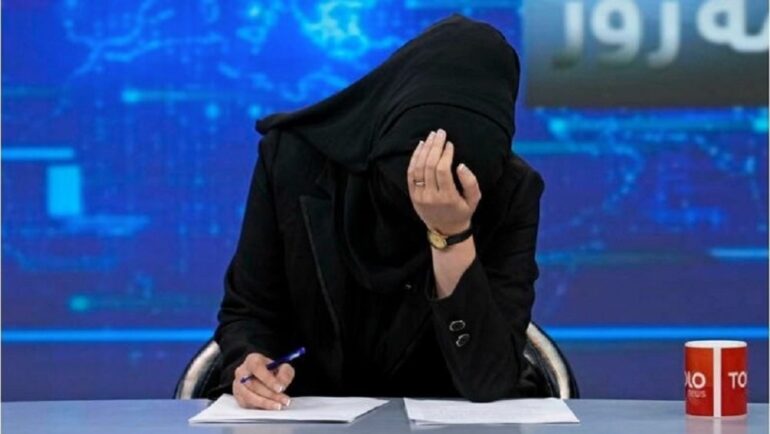
On media freedom, HRW said the Taliban maintained severe restrictions on freedom of expression and the press in 2025, arbitrarily detaining and torturing journalists and other critics. In September, authorities banned live broadcasts of political programs and limited interviews to a pre-approved list of individuals.
The report added that the Taliban banned reporting on human rights abuses and security incidents, while increasing restrictions on social media and poetry. Local media were required to comply with bans on broadcasting live images of people and adhere to vague rules against publishing anything against Islam.
HRW also highlighted that Afghan activists, academics, writers, and artists faced serious risks of arbitrary arrest, harassment, and ill-treatment during 2025. The Taliban leader banned poetry readings that encouraged friendships between boys and girls or criticized Taliban decisions. In September, authorities blocked fiber-optic internet and nationwide telecommunications for 48 hours.
Since returning to power in 2021, the Taliban have faced widespread accusations of discrimination against non-Pashtun ethnic groups and religious minorities, alongside restrictions on civil liberties, media operations, and public dissent.
HRW called on international actors to hold the Taliban accountable for human rights abuses and to ensure protection for Afghanistan’s minority communities, journalists, and activists.

